








Courses Taught By Shri. Sree Aswath

Explore our comprehensive curriculum designed to deepen your understanding of ancient texts, languages, and philosophies.

Featured Image

Introduction to the Vedic Chanting

HSF1402 – The practice of Sanātana Dharma encompasses two vital dimensions: Jñāna Kānḍa (knowledge) and Karma Kānḍa (application), with Vedamantra chanting acting as the conduit between the two. Bhagavān Ādi Śaṅkarācārya, in his Sādhana Paṃcaka, enjoins every spiritual aspirant to engage in daily Veda study (Vedo nityam adhīyatām), underscoring the significance of accurate chanting and comprehension of the mantras. Śri Śaṅkarācārya furthe emphasizes the importance of performing karma as prescribed in the Vedas (tadutim karma svanuśṭheeyatām). This course comprehensively covers both dimensions, elucidating the meaning and intonation of mantras while also delving into their application in the three types of rituals - nitya (daily), naimittika (occasional), and kāmya (for specific desired ends) - as well as in festivals - vratas and utsavas.
Featured Image

Introduction to the Vedic Ritual

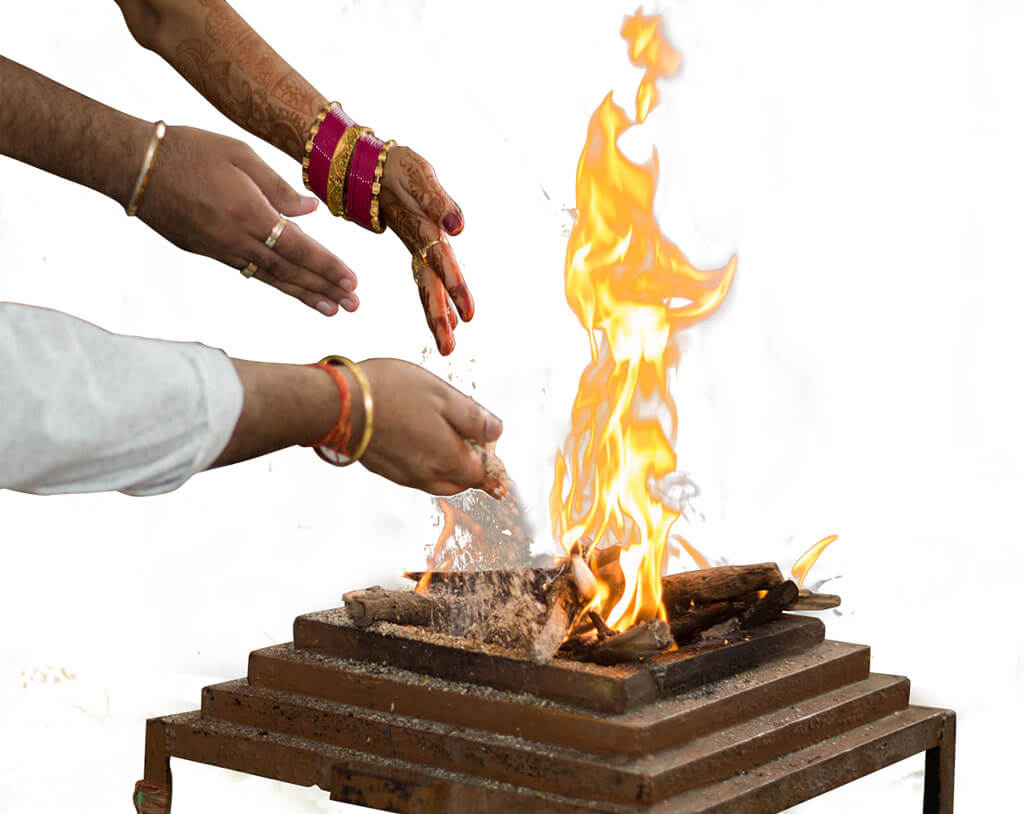
HSF1401 – Ritual is the laboratory where the mind is purified, settled, and prepared for higher knowledge i.e., Para Vidya. In 'Introduction to the Vedic Ritual' course the participants will learn to perform simple rituals, with the right understanding and attitude, and integrate their value into their daily life. To the modern mind, Hindu rituals often appear to be merely repetitious and meaningless activity. And indeed, they can be performed in a way that accentuates their essential meaninglessness. But they have the power to prepare the restless mind for inwardness, as well as for appropriate engagement with the world.
Featured Image

Vedic Chanting – Rudram

HSF1403 – The practice of Sanātana Dharma encompasses two vital dimensions: Jñāna Kānḍa (knowledge) and Karma Kānḍa (application), with Vedamantra chanting acting as the conduit between the two. Bhagavān Ādi Śaṅkarācārya, in his Sādhana Paṃcaka, enjoins every spiritual aspirant to engage in daily Veda study (Vedo nityam adhīyatām), underscoring the significance of accurate chanting and comprehension of the mantras. Śri Śaṅkarācārya furthe emphasizes the importance of performing karma as prescribed in the Vedas (tadutim karma svanuśṭheeyatām). From time immemorial, the worship of Rudra/Shiva has inspired and given solace to innumerable devotees. In this course, the Laghu Nyasa, the method of embedding the Devathas into one’s own being, is taught. This will be followed by the Namaka Prashna from the Krishna Yajur Veda. It is said that one who worships daily with Namaka, Chamaka, and Purusha Sukta, will be honored in the highest Brahma LoKa.
Featured Image

Vedic Chanting – Chamaka Prashna

HSF1404 – In this course, chanting the Chamaka Prashna from the Krishna Yajur Veda will be taught.The practice of Sanātana Dharma encompasses two vital dimensions: Jñāna Kānḍa (knowledge) and Karma Kānḍa (application), with Vedamantra chanting acting as the conduit between the two. Bhagavān Ādi Śaṅkarācārya, in his Sādhana Paṃcaka, enjoins every spiritual aspirant to engage in daily Veda study (Vedo nityam adhīyatām), underscoring the significance of accurate chanting and comprehension of the mantras. Śri Śaṅkarācārya furthe emphasizes the importance of performing karma as prescribed in the Vedas (tadutim karma svanuśṭheeyatām). From time immemorial, the worship of Rudra/Shiva has inspired and given solace to innumerable devotees. It is said that one who worships daily with Namaka, Chamaka, and Purusha Sukta, will be honored in the highest Brahma LoKa.
Featured Image

Hindu Samskaras

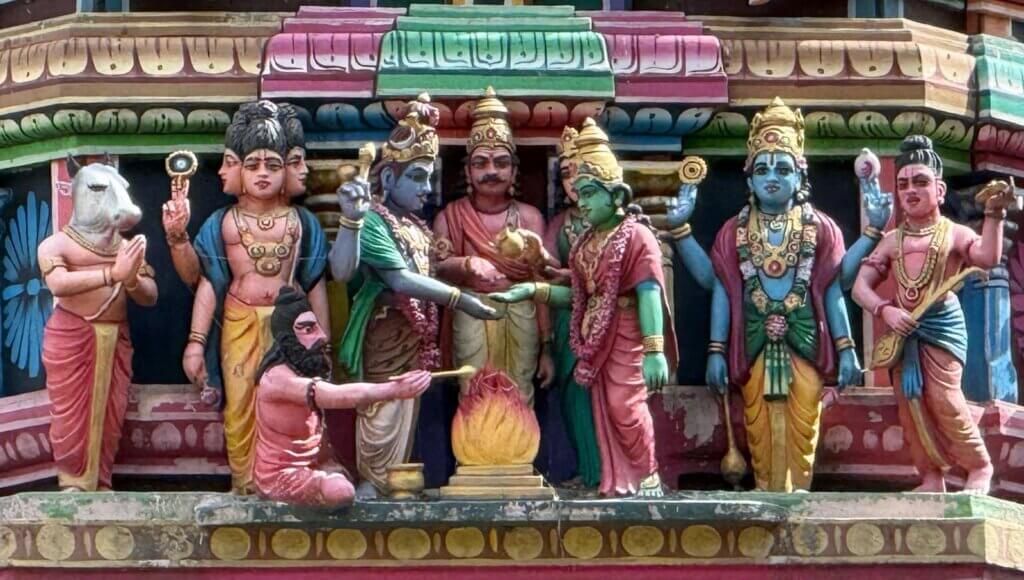
HSF1502 - Rooted in the Vedic tradition, this course explores the significance of Samskaras as rites of passage that guide an individual’s intellectual, moral, and spiritual development through life. Drawing upon the wisdom of the Vedic Rishis and Dharma Shastras, it examines seven essential Samskaras and Shashtipoorthi Shanti. These observances mark important life transitions, fostering self-discipline, cultural refinement, and spiritual awareness. The course emphasises the transformative journey from an unrefined human existence towards divine consciousness, culminating in the pursuit of Brahma Jnana and Moksha. Its central ideal is to inspire a purposeful life grounded in truth, knowledge, commitment, inner fulfilment, and spiritual evolution.