







Courses Taught By DR. TILAKA RAO

Explore our comprehensive curriculum designed to deepen your understanding of ancient texts, languages, and philosophies.

Featured Image

Vyakarana I

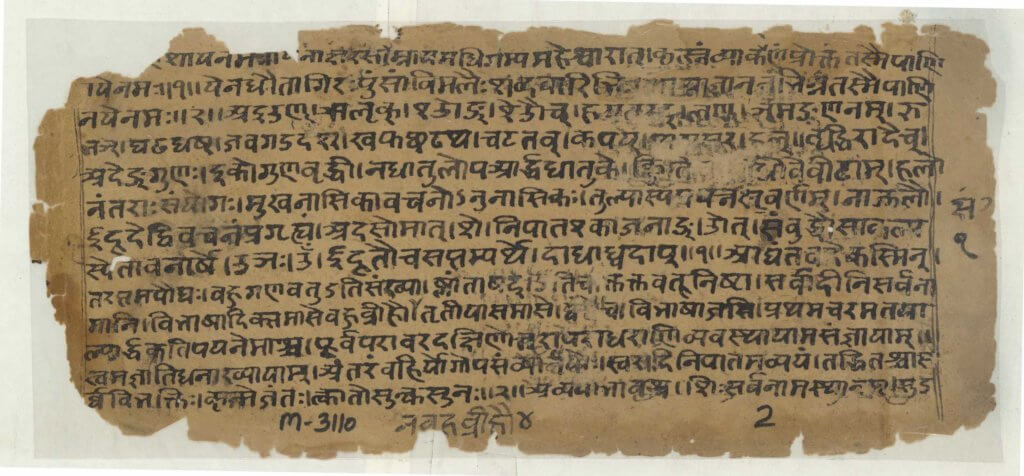
SAN5102 - Vyakarana – 1 offers a comprehensive introduction to Vyākaraṇa, the study of Sanskrit grammar, focusing on Pāṇini’s Aṣṭādhyāyī, the foundational text of Sanskrit grammatical tradition. Students will explore the historical evolution of Sanskrit grammar, the structure and logic of the Aṣṭādhyāyī, and key linguistic concepts such as paribhāṣās (interpretative rules), saṃjñās (technical terms), and sphoṭa (the theory of meaning). The course also emphasizes the practical application of these principles, including sandhi rules, dhātu (root) analysis, and samāsa (compound formation), with special attention to their relevance in both classical and Vedic texts. Through guided exercises and textual analysis, students will learn to read, analyze, and compose sūtras, building essential skills for further study of Sanskrit literature, philosophy, and linguistics.
Featured Image

Vyakarana II

SAN6102 - Vyākaraṇa – II offers a focused study of pratyayāḥ (Sanskrit suffixes) and their critical role in noun formation. Students will examine how suffixes modify verbal roots, generating a wide range of noun forms with distinct meanings. The course will guide students in classifying different types of pratyayāḥ and understanding their grammatical functions. Emphasis will be placed on the ability to predict, analyze, and construct noun-forms through the systematic application of suffix rules. Through hands-on exercises and textual analysis, students will refine their skills in applying these suffixes to create grammatically sound and semantically precise forms. By the end of the course, learners will develop a comprehensive understanding of how pratyayāḥ shape Sanskrit morphology, equipping them to engage more deeply with Sanskrit texts and compose with greater confidence.
Featured Image

Vyakarana III

SAN7102 – Vyākaraṇa III delves into the intricate structure and semantics of pratyayāḥ (suffixes) as applied to dhātavaḥ (verb-roots). Students will explore the derivation of forms, correlating the suffixes with the roots to uncover their linguistic and contextual significance. The course emphasizes a systematic approach to analysing and justifying the application of derived forms in various grammatical contexts. By engaging with practical exercises, learners will master the art of generating new forms from dhātavaḥ, reinforcing their understanding of classical grammatical structures. This course nurtures critical thinking and analytical skills essential for advanced studies in Vyākaraṇa and Sanskrit linguistics.
Featured Image

Vyakarana IV

SAN8102 - Vyākaraṇa IV explores the profound linguistic and semantic structures of compound words in Sanskrit. Students will classify and analyze the formation and meaning of compounds, while delving into the concepts of śabda (dhvani and sphoṭa) and artha (meaning). Through detailed examination and interpretation, learners will hypothesize the meanings of compound words within classical texts, fostering a deeper understanding of their usage and significance. The course emphasizes applying principles from Pāṇini’s Aṣṭādhyāyī to organize and interpret Sanskrit texts systematically. By integrating theoretical insights with practical exercises, students will enhance their ability to engage with Sanskrit literature and its grammatical intricacies at an advanced level.