







Courses Taught By DR. KULDIP DHIMAN

Explore our comprehensive curriculum designed to deepen your understanding of ancient texts, languages, and philosophies.

Featured Image

Tattvabodha Part – 1

TAT3212 – This course is the first in a two-part series offering an in-depth study of Vedanta Darshana through Śrī Ādi Śaṅkarācārya’s Tattvabodha. The text presents Vedanta philosophy concisely in a simple question-and-answer format, without long shlokas, making it accessible to learners of Sanskrit. Students will gain a clear understanding of core Vedantic principles, which provides a strong foundation for studying other key texts such as the Bhagavadgītā and for exploring broader Vedic philosophical systems including Yoga, Nyāya, and Mīmāṃsā. The course emphasizes both conceptual clarity and practical insight into the nature of the self (ātman) and ultimate reality.
Featured Image

Mimamsa Darshana Part – 2

TAT3211 – Mimamsa Darshana Part 2 is an in-depth course, forming the Second segment of a two-part series, delving into the foundational principles of philosophy, and interpretations of the Mīmāṁsā school of Indian philosophy, based on the Mīmāṁsā Sūtras of Maharshi Jaimini. The curriculum will include an exploration of the original Sūtras of Maharṣi Jaimini, providing direct engagement with the foundational principles of Mīmāṁsā Darśana.
Featured Image

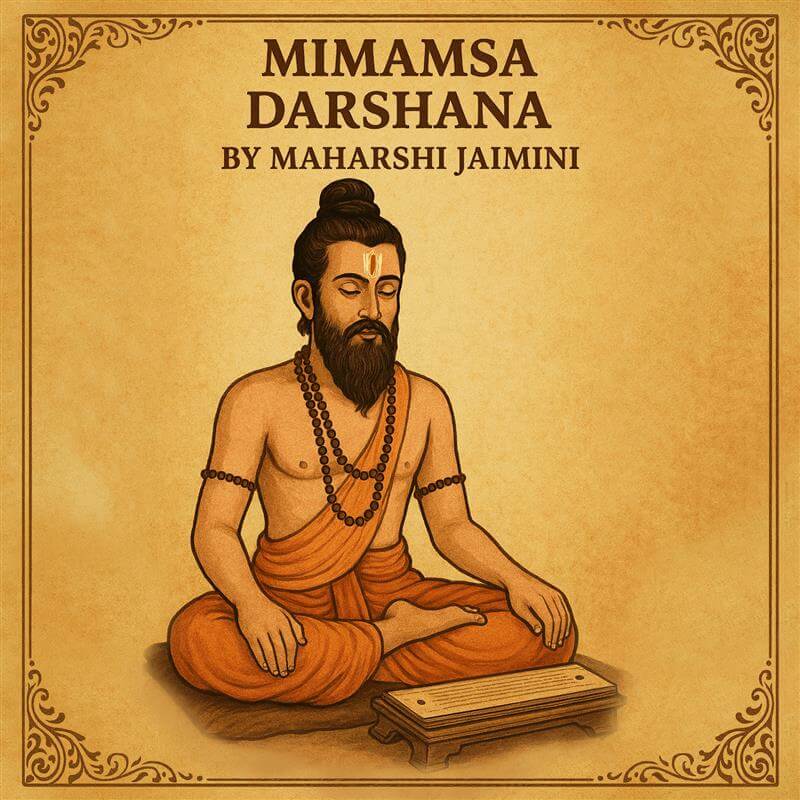
Mimamsa Darshana Part – 1

TAT3210 – Mimamsa Darshana Part 1 is an in-depth course, forming the first segment of a two-part series, delving into the foundational principles of philosophy, and interpretations of the Mīmāṁsā school of Indian philosophy, based on the Mīmāṁsā Sūtras of Maharshi Jaimini. The curriculum will include an exploration of the original Sūtras of Maharṣi Jaimini, providing direct engagement with the foundational principles of Mīmāṁsā Darśana.
Featured Image

Vaisheshika Darshana Part – 2

TAT3209 – Vaisheshika Darshana, founded by Maharṣi Kanāḍa, is one of the six major schools of Vedic philosophies. Often paired with Nyāya darśana, while Nyāya focuses on methods of knowledge, Vaiśeṣika delves into the nature of existence itself. Both aim for 'mokṣa' or liberation from mental suffering and attainment of lasting unadulterated ānanda. Unlike other darśanas,Vaiśeṣika uniquely emphasizes finding happiness in the present world through understanding the universe's elements, and our own body and mind. Presented in sūtra style, it comprises ten adhyāyas, each with two āhnikas (sub-chapters), totaling 370 sūtras. The course, split into two parts, similar to Nyāya and Saṃkhyā courses, will cover 48 sūtras from the first chapter with the two āhnikas comprising 31 and 17 sūtras each. In  Vaiśeṣika  Part 2 we will cover the left-over sutras of the First Ahnika and then we will do the Second Ahnika that has 17 sutras.
Featured Image

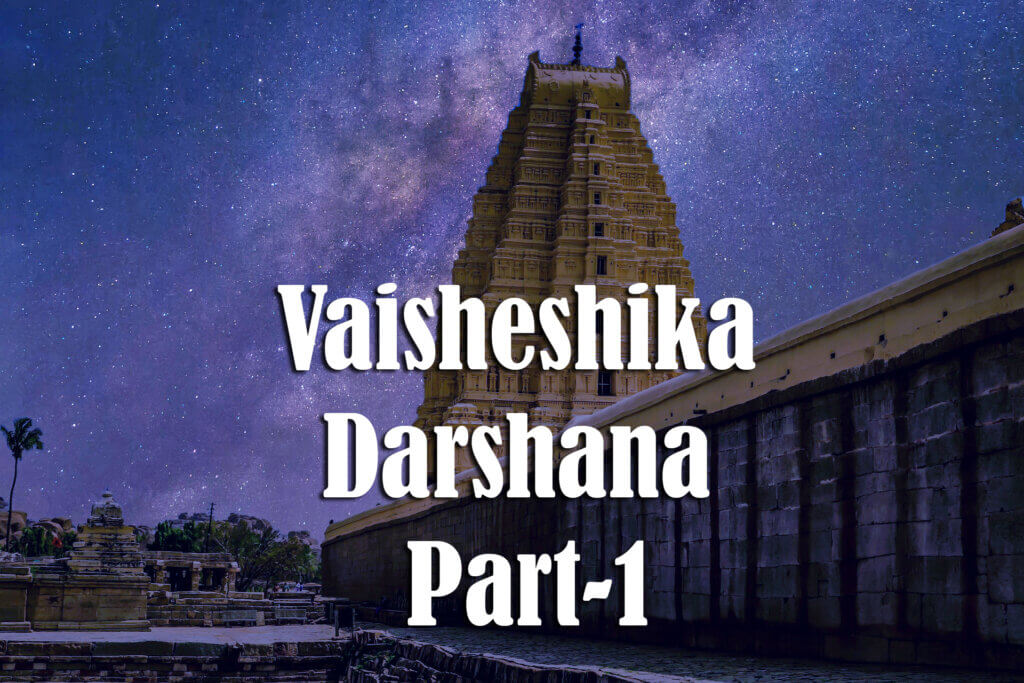
Vaisheshika Darshana Part – 1

TAT3208 – Vaisheshika Darshana, founded by Maharṣi Kanāḍa, is one of the six major schools of Vedic philosophies. Often paired with Nyāya darśana, while Nyāya focuses on methods of knowledge, Vaiśeṣika delves into the nature of existence itself. Both aim for 'mokṣa' or liberation from mental suffering and attainment of lasting unadulterated ānanda. Unlike other darśanas,Vaiśeṣika uniquely emphasizes finding happiness in the present world through understanding the universe's elements, and our own body and mind. Presented in sūtra style, it comprises ten adhyāyas, each with two āhnikas (sub-chapters), totaling 370 sūtras. The course, split into two parts, similar to Nyāya and Saṃkhyā courses, will cover 48 sūtras from the first chapter with the two āhnikas comprising 31 and 17 sūtras each. 
Featured Image

Sankhya Darshana

HSF6004 – (MA/DHS/PHD Course) ‘Sankhya Darshana’ is one of the six major schools of Vaidika philosophies. It was founded by Mahārṣi Kapila. He taught this secret philosophy to his disciple Āsuri, who further taught it to his disciple Pañcaśikhācārya. Pañcaśikhācārya took it to great heights by writing a voluminous text called Ṣaṣṭitantra, which is now lost. Sāṅkhya Darśana is one of the oldest of the Darśanas, just like Vedānta which is equally old. In the Bhagavadgītā, Kṛṣṇa equates Kapila with himself. The importance of Sāṅkhya can be judged by the fact that the second chapter of the Bhagavadgītā is titled ‘Sāṅkhya-yoga Adhyaya’. An understanding of the principles of Sāṅkhya philosophy is extremely important to acquire a firm grounding in other Sanskrit texts such as the Bhagavadgītā, and the other Vedic philosophical systems such as Yoga and Vedānta.
Featured Image

Nyaya Darshana Part – 2

TAT3207 – This Course is the Second of the two-part course sequence that introduces Nyaya Darshana of Gautama Rishi systematically based on a text called Nyaya Sutras. Nyaya is one of the six Vaidika philosophies attributed to Gautama Rishi. Nyaya Darshana is extremely important because progress in any branch of knowledge cannot be made without a firm grasp on grammar and logic. It is said: काणादं पाणीनीयं च सर्वशास्त्रोपकारकम्। kāṇādam pāṇīnīyam ca sarvaśāstropakārakam. - Logic and Grammar are the pillars of all subjects. The students will experience this through the course.
Featured Image

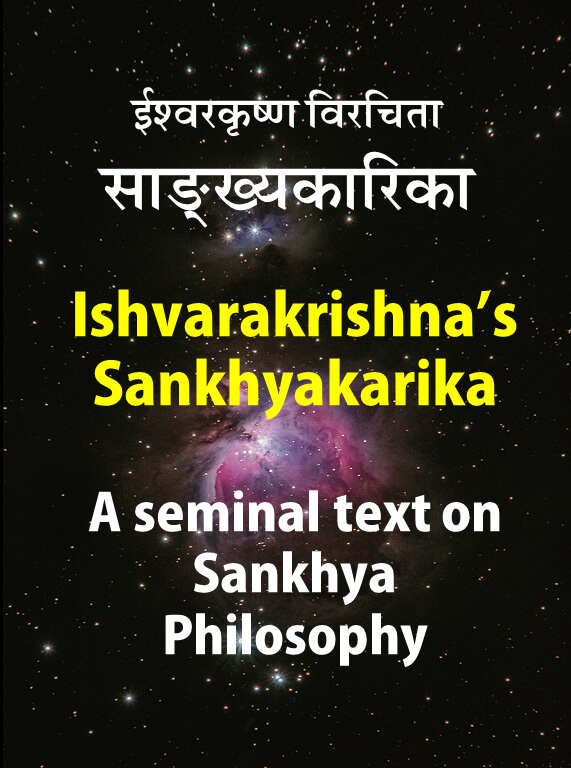
Sankhya Darshana through the Sankhya Karika – Part I

TAT3201 - This Course is the first of a two-part course series presenting an in-depth exploration of Sankhya Darshana (Philosophy) based on the Sanskrit text ‘Sankhya Karika’ of Ishvara Krishna. It is a short and succinct text of only 72 Karikas i.e., short explanatory verses on Rishi Kapila’s Sankhya Darshana. An understanding of the principles of Sankhya philosophy is extremely important to acquire a firm grounding in other Sanskrit texts such as the Bhagavad Gita, and the other Vedic philosophical systems such as Yoga and Vedanta.
Featured Image

Sankhya Darshana through the Sankhya Karika – Part 2

TAT3202 - This Course is the Second of a two-part course series presenting an in-depth exploration of Sankhya Darshana (Philosophy) based on the Sanskrit text ‘Sankhya Karika’ of Ishvara Krishna. It is a short and succinct text of only 72 Karikas i.e., short explanatory verses on Rishi Kapila’s Sankhya Darshana. An understanding of the principles of Sankhya philosophy is extremely important to acquire a firm grounding in other Sanskrit texts such as the Bhagavad Gita, and the other Vedic philosophical systems such as Yoga and Vedanta.
Featured Image

Vedantasara of Sadananda – Part 1

TAT3203 – In this Course, Students will inquire into some of the fundamental misunderstandings that have accumulated around the Advaita Vedanta. Is the world to be taken as unreal? Is it a pessimistic philosophy? Is the world to be renounced? Is it only for Sannyasis? Students will be encouraged to form well-informed perspectives on Advaita Vedanta after a deep inquiry facilitated by the study of an original Sanskrit text, Vedantasara of Sadananda, an authoritative Acharya of the Advaita tradition. This study will enable students to form new insights into Advaita Vedanta philosophy.
Featured Image

Vedantasara of Sadananda Part 2

TAT3204 – In this second part of the course, Students will inquire into some of the fundamental misunderstandings that have accumulated around the Advaita Vedanta. Is the world to be taken as unreal? Is it a pessimistic philosophy? Is the world to be renounced? Is it only for Sannyasis? Students will be encouraged to form well-informed perspectives on Advaita Vedanta after a deep inquiry facilitated by the study of an original Sanskrit text, Vedantasara of Sadananda, an authoritative Acharya of the Advaita tradition. This study will enable students to form new insights into Advaita Vedanta philosophy.
Featured Image

Nyaya Darshana Part – 1

TAT3206 – This Course is the first of the two-part course sequence that introduces Nyaya Darshana of Gautama Rishi systematically based on a text called Nyaya Sutras. Nyaya is one of the six Vaidika philosophies attributed to Gautama Rishi. Nyaya Darshana is extremely important because progress in any branch of knowledge cannot be made without a firm grasp on grammar and logic. It is said: काणादं पाणीनीयं च सर्वशास्त्रोपकारकम्। kāṇādam pāṇīnīyam ca sarvaśāstropakārakam. - Logic and Grammar are the pillars of all subjects. The students will experience this through the course.
Featured Image

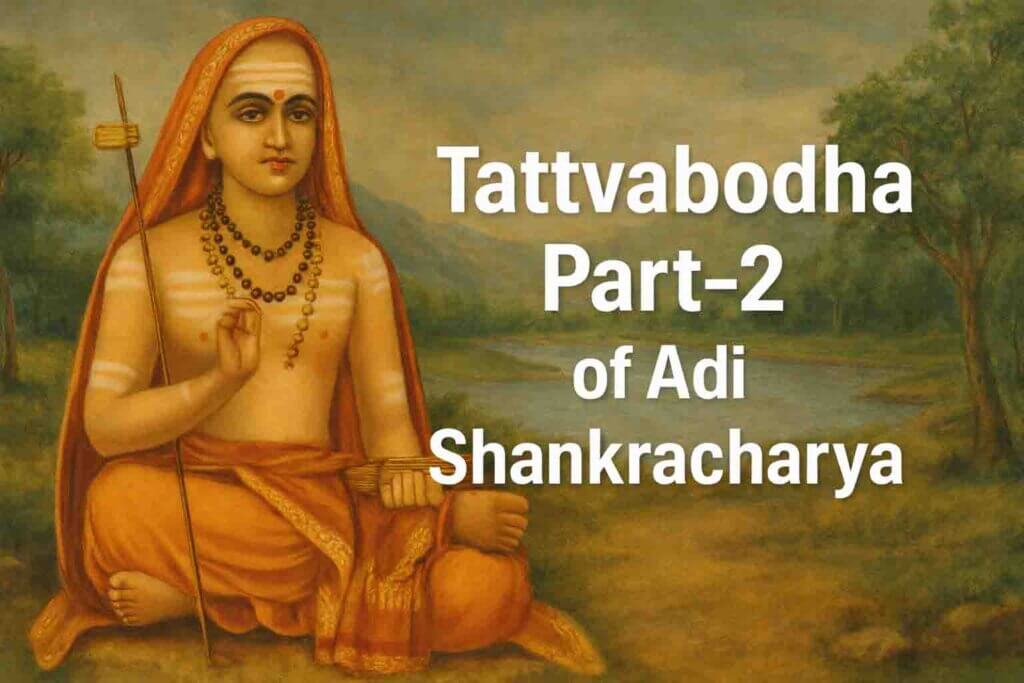
Tattvabodha Part – 2

TAT3213 – This course is the second in a two-part series offering an in-depth study of Vedanta Darshana through Śrī Ādi Śaṅkarācārya’s Tattvabodha. The text presents Vedanta philosophy concisely in a simple question-and-answer format, without long shlokas, making it accessible to learners of Sanskrit. Students will gain a clear understanding of core Vedantic principles, which provides a strong foundation for studying other key texts such as the Bhagavadgītā and for exploring broader Vedic philosophical systems including Yoga, Nyāya, and Mīmāṃsā. The course emphasizes both conceptual clarity and practical insight into the nature of the self (ātman) and ultimate reality.
Mitra! Ask me anything!