








Courses Taught By Dr. Kalika Uttarkar

Explore our comprehensive curriculum designed to deepen your understanding of ancient texts, languages, and philosophies.

Featured Image

The Bhagavad Gita: From Inner Conflict to Self-knowledge

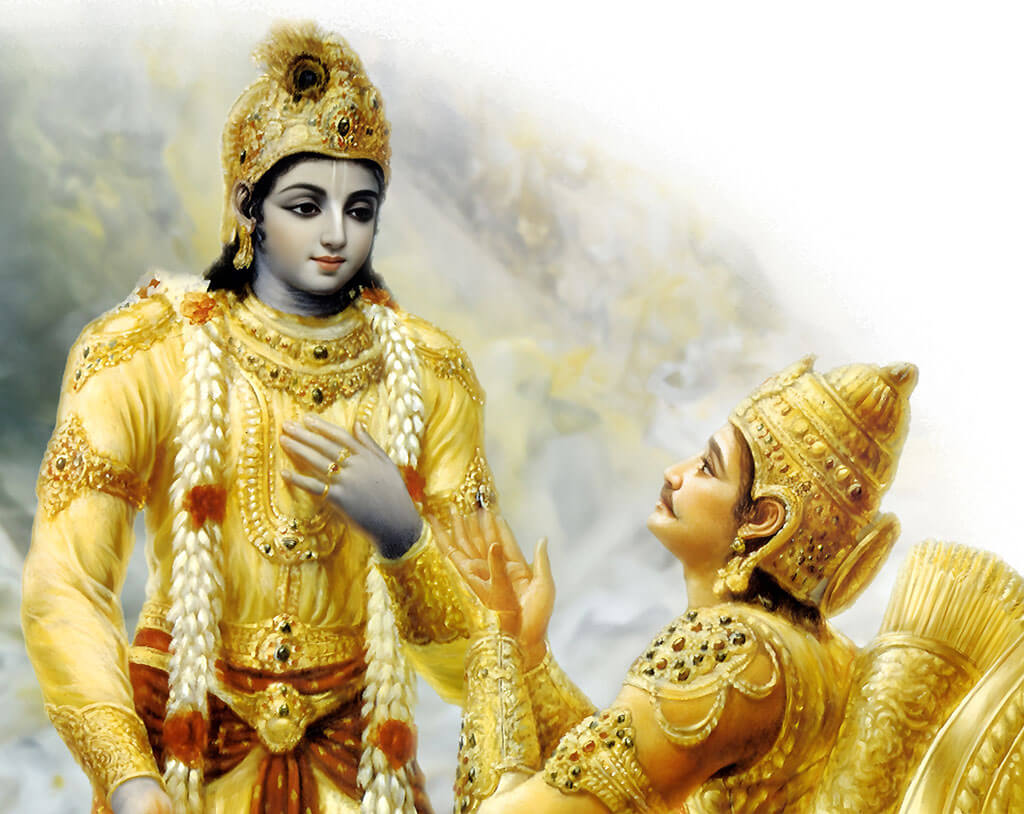
HSF2301 – This course is the first of a 4 part series of the Bhagavadgita Certificate program. It launches a deep philosophical and psychological exploration of the opening four chapters of the Bhagavad Gītā. Beginning with Arjuna’s battlefield crisis, participants of "The Bhagavad Gita: From Inner Conflict to Self-knowledge" move from the shock of moral conflict to the liberating vision of the eternal Self, karma yoga (selfless action), and the integration of knowledge, action, and renunciation. The course deliberately interweaves classical Hindu philosophy (Sāṅkhya, Yoga, Vedānta) with contemporary psychological frameworks (CBT, ACT, positive psychology, trauma studies) to help participants resolve inner conflict, overcome attachment, and cultivate lasting equanimity in professional and personal life.
Featured Image

Hindu Dharmic Parenting

HSF3000 – This course explores the art and science of parenting through the lens of ancient Hindu wisdom, drawing inspiration from the Upanishads, Bhagavad Gita, and Yoga. It emphasizes parenting as a shared journey, fostering the physical, emotional, intellectual, and spiritual evolution of both parent and child. The course equips participants with tools to nurture children who are not only conventionally successful but also spiritually grounded and ethically strong, and face life's challenges with wisdom and equanimity. Designed for parents, guardians, and educators around the world, the course offers insights for nurturing a stable spiritual and cultural identity amidst a multicultural environment.
Featured Image

Shaddarshanas – Introduction to Hindu Philosophy

HSF5003 – (MAH – Elective Course) This course will introduce students to the philosophy of Āstika (Orthodox) and Nāstika (Heterodox) Darśanas. The six orthodox systems of Hindu philosophy, namely Nyāya, VaiśeśikaSāṃkhya, Yoga, Mimāṃsa, and Vedānta, will be covered in depth. The course will include the study of Charvaka Darśana, Buddhism, and Jainism, which are traditionally classified as heterodox systems of philosophy. Besides primary texts, the course will also incorporate readings from secondary sources and contemporary scholarship in Indian philosophy. Upon completion of the course, students will have a comprehensive understanding of Ṣaḍdarśanas, their place in the wider context of Indian philosophy, and their relevance to contemporary issues in philosophy and human life.
Featured Image

Introduction to Hindu Philosophy: Shad Darshanas

HSF2001 – This course will introduce the student to the six traditional perspectives of Hindu Philosophy, i.e., the orthodox (Aastika Darshanas), which include Nyaya, Vaisheshika, Sankhya, Yoga, Purva Mimamsa, and Uttara Mimamsa (Vedanta). The course will also compare these with the three heterodox (Nastika Darshanas), i.e., Charvaka, Jaina, and Bauddha. It will review the metaphysical, epistemological, and ethical concepts in these nine Darshanas and their influence on the Hindu thought and worldview.

Featured Image

Introduction to Upanishads – Part 1

HSF2002 - The Upaniṣads form the philosophical foundation of Hindu thought and have deeply influenced Indian culture and civilization. Introduction to the Upanishads – Part 1 is the first in a two-part series and focuses on six key texts: Īśa, Kena, Kaṭha, Praśna, Muṇḍaka, and Māṇḍūkya. Through these Upaniṣads, students will explore profound teachings on Brahman, Ātman, creation, bondage and liberation, karma, immortality, and ānanda (bliss). The course emphasizes how these insights shaped Hindu philosophy while also highlighting their relevance to contemporary life, guiding students toward a clearer understanding of existence and a confident appreciation of the Hindu worldview.

Featured Image

Introduction to Upanishads – Part 2

HSF2003 - Introduction to the Upaniṣads – Part 2 continues the exploration of Hindu philosophy through five profound texts: Taittirīya, Aitareya, Chāndogya, Bṛhadāraṇyaka, and Śvetāśvatara. These Upaniṣads present rich insights into the nature of the self, layers of human existence, cosmology, meditation, and the relationship between the individual and the ultimate reality. Students will examine how these teachings illuminate the concepts of Brahman, Ātman, and dharma while offering pathways to liberation and fulfillment. The course emphasizes both the historical significance of these texts and their enduring relevance for cultivating clarity, confidence, and a deeper understanding of Hindu thought in contemporary life. Introduction to Upanishads is a 2-course sequence consisting of two parts. The 2 parts can be taken in either sequence.

Featured Image

The Bhagavad Gita: Emotional Mastery and Purposeful Action

HSF2302 – Building upon the foundational inner conflicts explored in Quarter 1, this course "The Bhagavad Gita: Emotional Mastery and Purposeful Action" immerses participants in the transformative depths of Chapters 5–9, where renunciation evolves into disciplined Dhyāna yoga(meditation), knowledge uncovers the veil of  māyā, and bhakti(devotion) becomes the anchor for emotional mastery. Philosophically, it unpacks equanimity as a radical transcendence of dualities, drawing from Vedāntic non-dualism and yogic integration. Psychologically, it equips learners with strategies for mind control, surrender, and emotional regulation along with the insights from cognitive-behavioral therapy (CBT), acceptance and commitment therapy (ACT), and contemplative neuroscience. Through interactive discussions and practical applications, participants learn to turn solitude into sacred silence and distractions into focus, revealing how ancient wisdom can rewire neural pathways for profound inner harmony.
Featured Image

The Bhagavad Gita: Cosmic Vision and Infinite Self

HSF2303 – This 11-week quarter “The Bhagavad Gita: Cosmic Vision and Infinite Self” propels participants into the metaphysical splendor of Chapters 10–14, exploring vibhūti (divine glories), viśvarūpa (the inspiring universal form), ideal devotion, and the profound distinction between kṣetra(field) and kṣetrajña(knower).  Philosophically, it emphasizes oneness amid diversity, virtues as pathways to liberation, and the tri-guṇas as archetypal forces shaping reality. Psychologically, it cultivates insight, humility, and meta-cognition. With an analytical lens, the course reveals: the cosmic vision isn't mere spectacle but a therapeutic confrontation with infinity. It promotes dissolving ego-bound identities for authentic self-leadership equipped with viveka leading to pūrṇatva (infinity). 
Featured Image

The Bhagavad Gita: Purification, Awakening and Lasting Contentment

HSF2304 - Culminating the phase, this 11-week quarter "The Bhagavad Gita: Purification, Awakening and Lasting Contentment" synthesizes Chapters 14–18, delving into the transcendence of triguṇas (satva, rajas, tamas), divine versus demonic natures, threefold śraddhā, and ultimate surrender leading to mokṣa.  Philosophically, it weaves a tapestry of paths karma, jñāna, bhakti, integrating puruṣārthas (life goals) with Vedāntic liberation.  Psychologically, it promotes self-control, equanimity, and belief-system analysis through lenses like positive psychology, applying these to: resolving conflicts, sustaining well-being, and envisioning a liberated life amid impermanence. This rigorous yet accessible journey not only equips you to conquer contemporary challenges like work-life imbalance or relational turbulence but fosters a radical, analytical self-reinvention, where ancient verses become your personal compass for authentic, liberated living in today's fragmented reality.
Featured Image

Growing up with the Gita

HSF1010 – ‘Growing up with the Gita’ is an introductory course designed specifically for teenagers, youth and the young at heart. This course aims to introduce them to the profound and timeless Hindu wisdom through the essence of the Bhagavad Gita. By delving into its teachings, students can prepare for the 'Gita Pariksha' test, while unlocking a treasure trove of profound insights into life. The teenage years encompass significant transitions and developments on physical, mental, intellectual, spiritual, and social levels. This phase often presents various challenges in different aspects of life. In this course, students will discover the trusted companion, philosopher, and guide known as the 'Bhagavad Gita' which will accompany and empower them to navigate their life challenges with excellence, strength, and empathy.