







Courses Taught By Dr. Vishwa P. Adluri

Explore our comprehensive curriculum designed to deepen your understanding of ancient texts, languages, and philosophies.

Featured Image

Hindu Theology

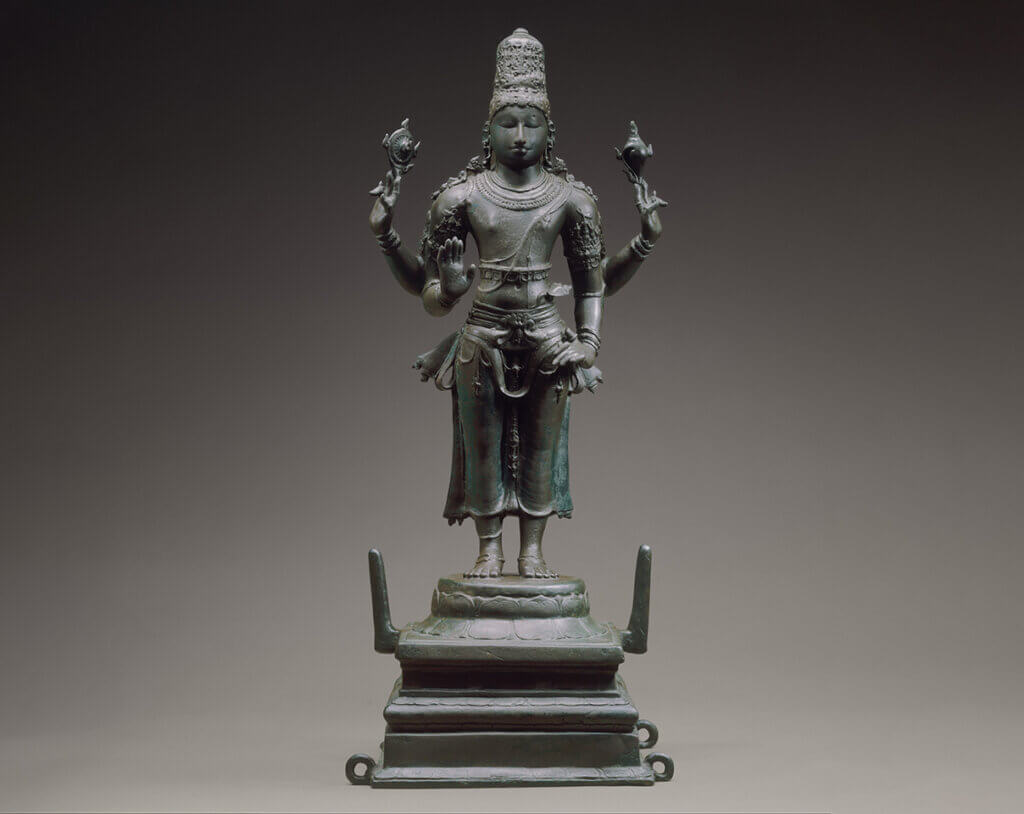
HSF6000 – (MA/DHS/PHD) This graduate-level course offers an in-depth exploration of the Nārāyaṇīya, a systematic theological text within the Mahābhārata. The articulation of saguṇabrahman, bhakti, and mokṣa in this text serves as a foundational document for classical Hinduism in its various sectarian forms whether Vaiṣṇava, Śaiva, or Śākta. The Nārāyaṇīya is significant not only for its theological insights but also for its role as a textual bridge between the Upaniṣadic traditions and the theological, philosophical, and ritual dimensions of the itihāsapurāṇa. By examining the Nārāyaṇīya’s theological contributions, students will gain insights into the development of Hindu thought and practice, as well as the text’s enduring influence on subsequent religious literature and cultural expressions.
Featured Image

The Vedas: Texts and Ritual

TAT7303 – (MA/DHS/PhD) The Vedas represent the foundational texts of Hindu revelation (śruti) and serve as the cornerstone of the textual tradition that encompasses the philosophy, rituals, and iconography of classical Hinduism. Both the itihāsapurāṇa and philosophical traditions rely on an understanding of Vedic rituals, their requirements, and their outcomes. The commentarial tradition presents this knowledge as the prima facie perspective in its elaboration of Vedānta. This course offers a comprehensive overview of the Vedic texts, focusing on the nature of Vedic revelation—its authorless quality, eternality, and more. Special emphasis will be placed on the mantra and karma (ritual) components of the Vedas. Students will engage with selections from the primary texts, including the Ṛg-, Yajur-, Sāma-, and Atharva Vedas, as well as ancillary texts and sūtra literature. The course will also introduce the Vedic pantheon, and the narratives connected with the various deities, and the “mythological” explanations they provide in these texts. An extensive bibliography will be provided to support students in pursuing further research aligned with their individual interests.
Featured Image

Dharmashastra

HSF7100 – (MA/DHS/PHD Course) Dharmaśāstras are scriptural treatises that contain instruction on Dharma. This course will present sections of the vast Dharma literature, spanning Vedic revelation (śruti), authoritative texts (smṛti) like Manudharmaśāstra, itihāsapurāṇa and the vast commentarial tradition. Hinduism and Dharma are interchangeable terms. The term “Dharma” accurately describes the scriptural, textual, ethical, and practical concerns of Hinduism, yet the term is nearly impossible to translate, let alone define. In the present context, Dharma deals with injunctions, prohibitions, duties, rights, politics, and proper conduct necessary for the development of the individual, the flourishing of the family and society, and ultimately liberation of the individual from the cycles of birth and death.
Featured Image

The Brahmasutras

HSF8000 – (DHS/PhD Course) In this course, students will be able to understand the scope and structure of the Brahmasūtras, and to identify the text’s ontology, theology, and logical grounding in the revelation of the Vedas. The Brahmasūtras, or aphorisms on Brahman, are attributed to Bādarāyaṇa Vyāsa and consist of 555 sūtras. They constitute one of the three main texts of the philosophical-exegetic tradition of Hinduism. This triad is called prasthāna trayī or the triad of canonical texts, the Upaniṣads and the Bhagavadgītā being the other two. The Brahmasūtras form a highly organized system of philosophical axioms that deal with the ontology and theology of Hindu revelation. These axioms deal principally with the knowledge portion of the revelation (jñānakāṇḍa), specifically the statements of the Upaniṣadic portion of the Veda.
Featured Image

The Bhagavata Purana

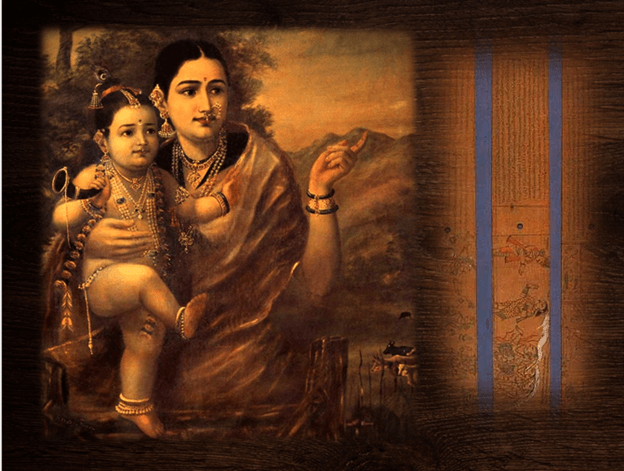
TAT7301 – (DHS – Core Course) Śrīmad Bhāgavatapurāṇam is one of eighteen Mahāpurāṇas of the Hindu textual tradition. It is a highly polished Vaiṣṇava text, insuperable in its appeal to theologians, philosophers, and connoisseurs of literature. Like the Upaniṣads and the Mahābhārata, the Bhāgavatapurāṇa presents Viṣṇu, especially in the form of Kṛṣṇa as Brahman. While remaining faithful to Vedic revelation, the Purāṇa also remains open to a variety of interpretations – non-dualism, dualism, qualified non-dualism, etc. All these are synthesized according to bhakti. Besides the Śrī Vaiṣṇava and Gauḍīya traditions, numerous commentators and teachers consider this Purāṇa to be the principal scripture of their theology and practice. When King Parīkṣit was cursed to die in seven days, the son of Vyāsa, Śuka teaches him this text as the highest teaching and the best use of his remaining life. We will explore the place of this text within the Vedic-itihāsapurāṇa textual tradition, understand its narrative architecture, philosophical foundations, its monumental bhakti project and its contribution to aesthetics.
Featured Image

Mahabharata IV: Dharma and Darshana

TAT7204 – (DHS/PhD – None) This is the fourth and final installment of our comprehensive series on the Mahābhārata. In this course, we will focus on the main philosophical sections of the epic and evaluate different approaches to interpreting it. We will read these philosophical sections closely to learn why the epic is also referred to as dharmaśāstra, mokṣaśāstra, and pañcama veda (the Fifth Veda). Additionally, we will trace the Upaniṣadic, theistic, bhakti, and dharma elements within the Mahābhārata and gain a deeper understanding of how they come together to shape Classical Hinduism. The Mahābhārata occupies a central position within the textual tradition of the Veda culminating in the Itihāsapurāṇa and Āgama texts. This literary-philosophical tradition buttresses various forms of art, iconography, philosophical schools, and rituals such as temple worship. Join us on this insightful journey through the Mahābhārata and discover its timeless wisdom.
Featured Image

Mahabharata III: The War Books

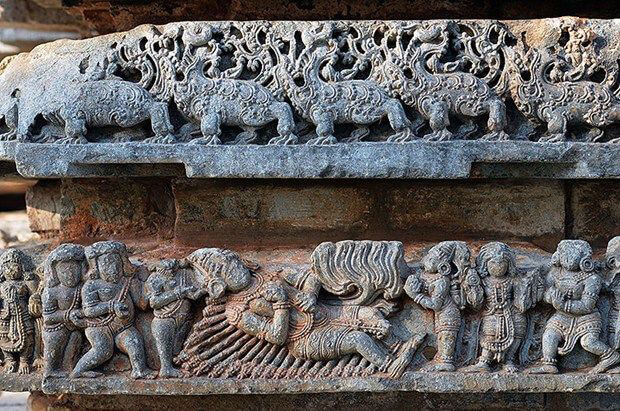
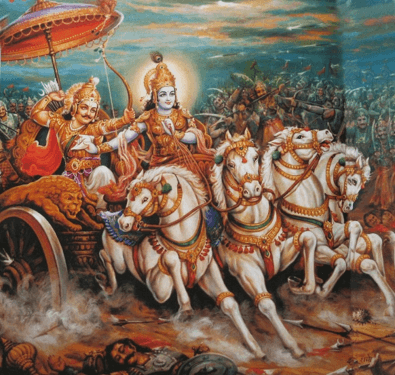
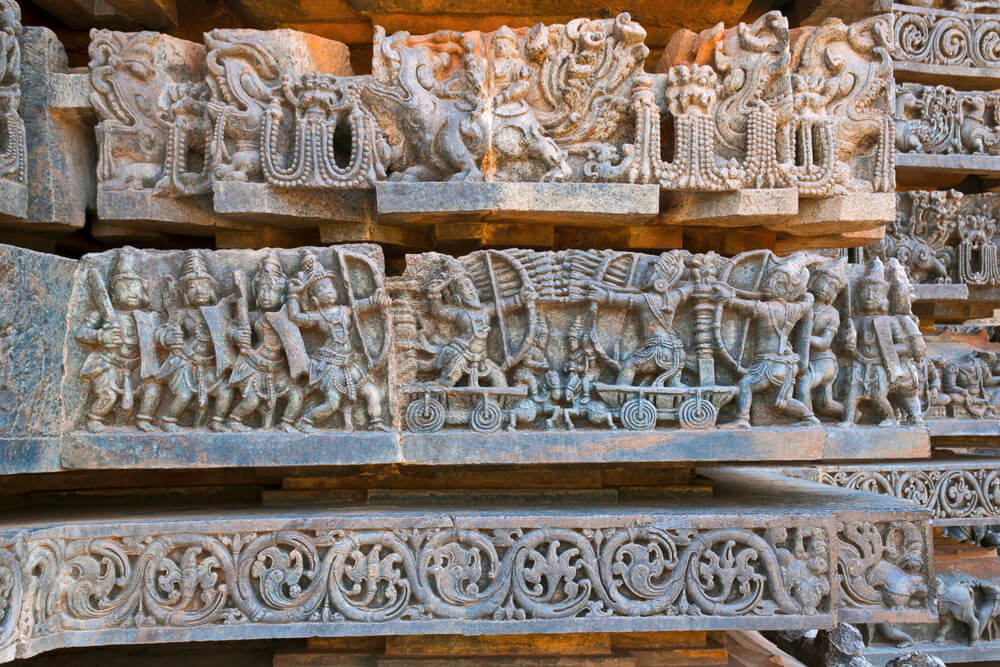
TAT7203 – (DHS/PhD – None) This is the third installment of a comprehensive four course series on the Mahābhārata. In this course, our focus is on the "war books" of this epic and the various methods for interpreting its profound teachings. Through an in-depth study of the Kurukṣetra battle, we will explore the complexities of its characters, plot, themes, and philosophical issues. These war books display complex literary-narrative skills, striking and symbolic imagery, heroism, morality, and the inevitable reality of mortality. The philosophical tracts, such as the Bhagavadgītā, add significance to the action scenes. Finally, we will examine the ritualistic dimension of this war which itself is described as a sacrifice (raṇa-yajña). Join us on this enlightening journey through the Mahābhārata and uncover its timeless wisdom.
Featured Image

Mahabharata II: Dicing and Exile

TAT7202 – The Mahabharata II part of a comprehensive four course series on the entire Mahābhārata. This course delves into an overview of the text and evaluates the approaches to interpreting it. It traces the conflict narrative, beginning with the meteoric rise in the fortunes of the Pānḍavas and their catastrophic loss in the dicing game. In the twelve-year exile period that follows, the Pānḍavas undergo a rigorous education, embark on sacred pilgrimages, and acquire divine weapons. The central justification for the war — the insatiable greed of the Kauravas and their adharma — is contrasted with the enlightening "forest teachings" by revered ṛṣis like Vyāsa, Mārkaṇḍeya, and others. These teachings form an integral part of classical Hinduism and the revered textual tradition of itihāsapurāṇa. Join this enlightening expedition through the Mahābhārata and uncover its profound wisdom.
Featured Image

Mahabharata I: The Beginning and End

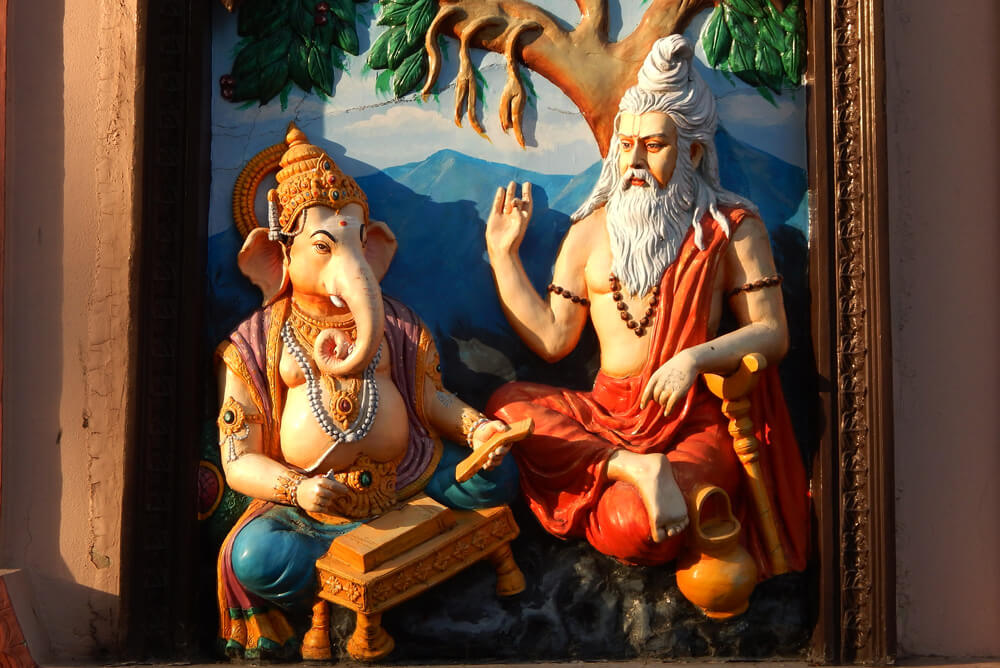
TAT7201 – (DHS/PhD – None) This is the first part of a comprehensive four semester-course series on the entire Mahābhārata. This course focuses on an overview of the text and evaluates the various approaches to its interpretation. The Ādiparvan introduces us to the primary characters, the plot-lines, themes, and the philosophical issues of the epic. Consequently, reading this book carefully develops the necessary skills to read the rest of the epic. This course also clarifies the epic's literary program in terms of its composition (circular), its structure (division into parvans and chapters), authorship, transmission, and other aspects. Furthermore, this course establishes the theological fundamentals of the epic, such as the nature of Brahman, avatāra, creation, pralaya, and more, giving the students a conspectus into this itihāsa. Join this enlightening expedition through the Mahābhārata and uncover its profound wisdom.
Mitra! Ask me anything!