








In the modern pursuit of wellness, we often find ourselves navigating a landscape of fragmented solutions: temporary fixes for chronic stress, physical discomfort, and a pervasive sense of disconnect. Yet, within the profound depth of the Vedic tradition lies a sophisticated technology of “conscious evolution” and healing known as Marma Chikitsa. This ancient art does not merely treat the symptoms of the body; it engages with the very blueprints of our vitality.
Marma Chikitsa, the therapy of vital energy points, represents the intersection where physical anatomy meets subtle energy, offering a pathway toward inner harmony and purposeful living.
What is Marma Chikitsa?
The word Marma translates from Sanskrit as “secret” or “hidden,” and in an anatomical context, it refers to the 107 vital points distributed across the human body. These points are not arbitrary; they are specific junctions where the five organic structures: muscles (Mamsa), veins (Sira), ligaments (Snayu), bones (Asthi), and joints (Sandhi): converge with the flow of Prana, the fundamental life force.
Marma Chikitsa is the therapeutic application of gentle touch, pressure, or massage to these vital junctions. Its purpose is to clear blockages in the subtle channels (Srotas), rebalance the three Doshas (Vata, Pitta, and Kapha), and stimulate the body’s innate capacity for self-repair.
By engaging in a reflective inquiry into our own physiology, we discover that these 107 points serve as the “switches” for our internal pharmacy. When a Marma point is stimulated with precision and reverence, it sends a ripple of healing energy through the entire system.
The Science of Prana: How Marma Therapy Works
To understand Marma Chikitsa is to appreciate the delicate bridge between the physical and the metaphysical. While modern medicine focuses on the biochemical, Ayurveda invites us to examine the energetic.
The Ayurvedic Perspective: Cultivating Pranic Flow
In the Ayurvedic framework, disease is often viewed as a stagnation or misdirection of Prana. Stress, poor posture, and emotional trauma can cause these vital energy points to “clog,” leading to stiffness, inflammation, and mental fog. Marma Chikitsa acts as a catalytic intervention, reclaiming the natural flow of energy and restoring the body’s strategic defense systems.
The Modern Physiological View: Neuromodulation
From a contemporary scientific standpoint, Marma points often correspond to neurovascular hubs: areas where nerves and blood vessels are highly concentrated. Stimulating these points activates mechanoreceptors that trigger the release of endorphins and serotonin. This process shifts the autonomic nervous system into a parasympathetic state, the “rest and digest” mode essential for tissue regeneration and psychological resilience.
The 107 Vital Gateways
The classical texts, such as the Sushruta Samhita, meticulously map these 107 points across the body. They are strategically organized to provide a comprehensive map of our vital existence:
- Head and Neck (37 points): Governing sensory perception, cognitive function, and the nervous system.
- Trunk – Chest and Abdomen (12 points): Protecting the vital organs and regulating digestion and respiration.
- Back and Spine (14 points): Supporting the structural integrity and the central energetic column.
- Upper and Lower Limbs (44 points): Managing motor function, circulation, and the release of tension.
Each point, from the Adhipati (the “master” point at the crown of the head) to the Talahridaya (the center of the palm and sole), offers a unique therapeutic outcome. Mastering this map is a journey of reclaiming one’s identity as a conscious participant in their own health.
Therapeutic Benefits: Navigating the Path to Wellness
The application of Marma Chikitsa yields profound benefits that extend far beyond simple relaxation. For the dedicated practitioner and the recipient alike, the outcomes are transformative:
- Pain Management and Mobility: By clearing blockages in the Snayu (ligaments) and Sandhi (joints), Marma therapy provides significant relief for chronic back pain, migraines, and musculoskeletal stiffness.
- Neurological Balance: It serves as a powerful tool for navigating the challenges of the modern world: reducing anxiety, improving sleep quality, and alleviating the symptoms of chronic fatigue.
- Detoxification and Vitality: The stimulation of these points enhances lymphatic drainage and blood circulation, accelerating the removal of metabolic waste and “re-igniting” the body’s metabolic fire (Agni).
- Emotional Resilience: Because Marma points are the seats of Prana, they also store emotional imprints. Gentle therapy allows for the release of suppressed emotions, fostering clarity and a renewed sense of purpose.
The Experience of a Marma Session
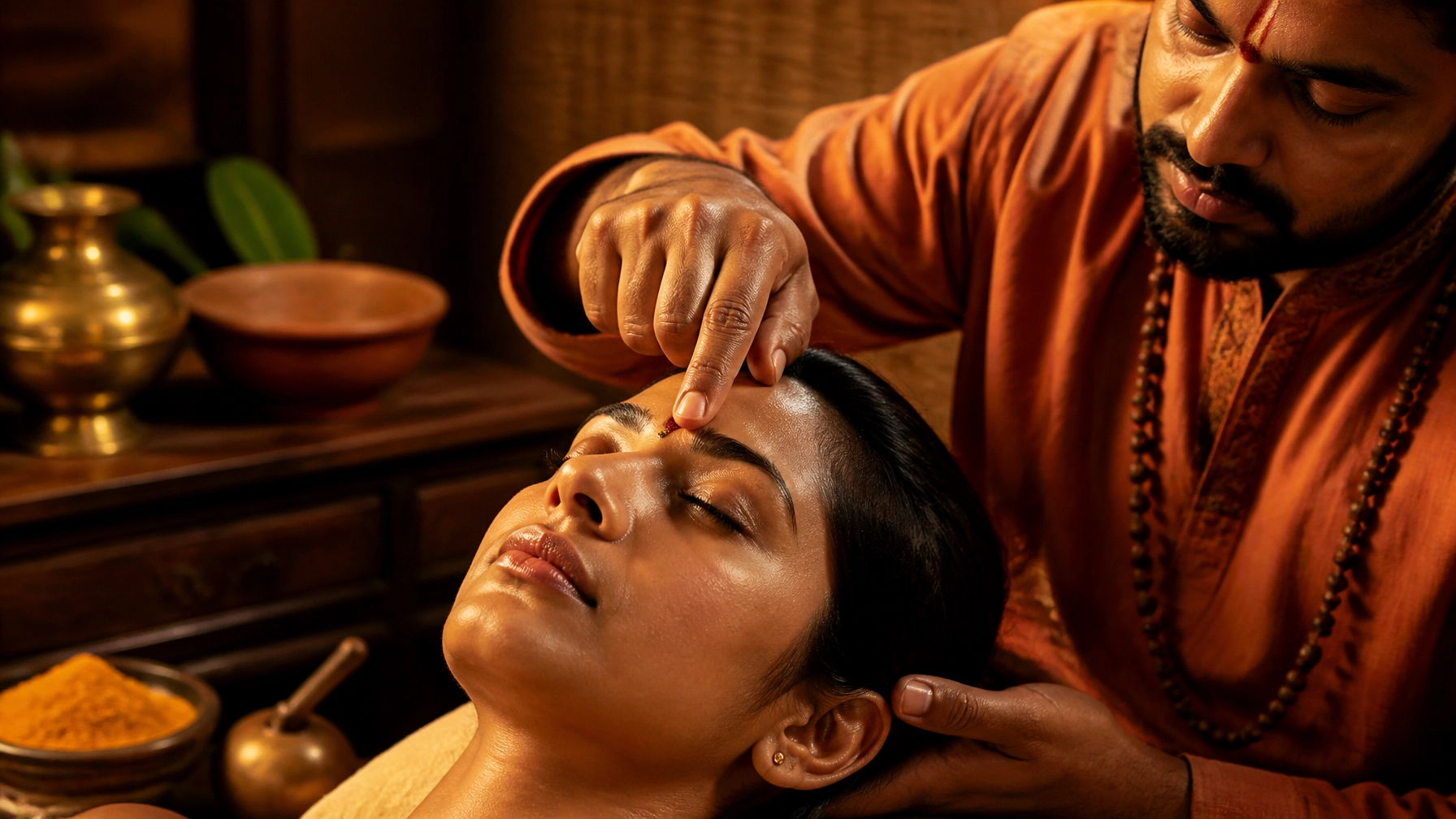
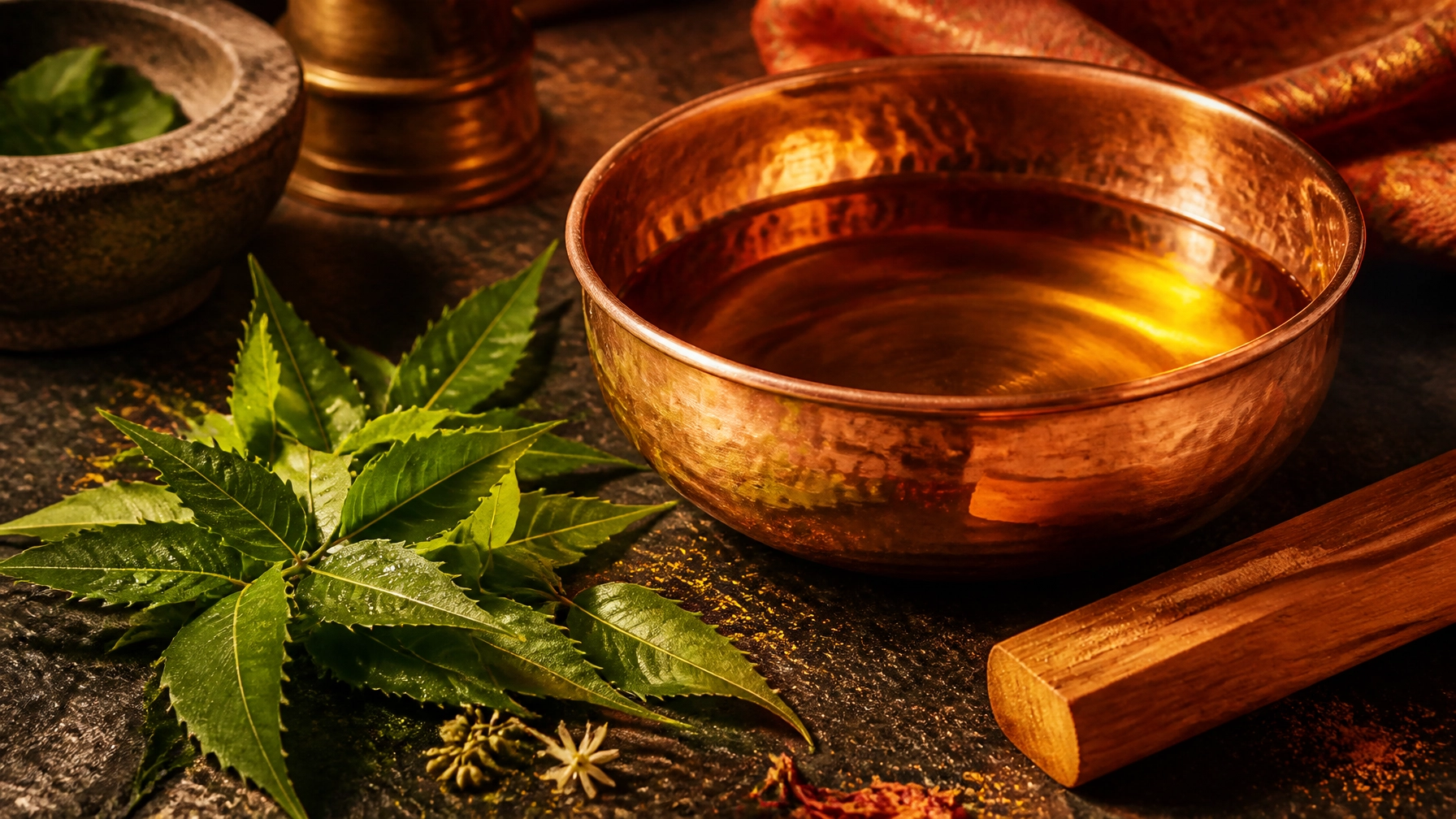
A Marma Chikitsa session is a meditative and scholarly experience. Unlike deep-tissue massage, the touch is often light and intentional. The practitioner may use warm herbal oils tailored to your unique Prakriti (constitution) to facilitate the flow of energy.
As the therapist navigates the 107 points, you may feel a sense of warmth, a subtle tingling, or a profound release of tension. It is a moment of deep stillness, an invitation to step away from the noise of the external world and enter a space of internal reflection. For many, this is the beginning of a conscious evolution, transforming the way they inhabit their own bodies.
Reclaiming the Wisdom: Study at HUA
The art of Marma Chikitsa is not something to be learned in isolation; it requires the guidance of a community of PhD scholar-practitioners who understand the sacred nature of these vital points. At the Hindu University of America, we offer a rigorous academic platform for those who wish to master these timeless knowledge systems.
Whether you are a healthcare professional looking to integrate Vedic science into your practice or a lifelong learner seeking to cultivate inner harmony, our programs in Ayurveda and Sanskrit proficiency provide the depth and authority you need.
Are you ready to transform your understanding of healing?
We invite you to become part of a community dedicated to the preservation and application of ancient wisdom for the modern age. Explore our Ayurvedic Certification programs and begin your journey toward becoming a practitioner of this sacred healing art.
Summary Checklist for Marma Wellness:
- Reflect: Identify areas of stagnation or pain in your daily life.
- Consult: Seek a trained Ayurvedic practitioner for a Marma assessment.
- Integrate: Combine Marma therapy with a balanced diet and regular yoga practice.
- Study: Deepen your knowledge through accredited Vedic education.
In the dance between the physical and the subtle, Marma Chikitsa offers the rhythm of health. Join us at HUA and the California College of Ayurveda as we navigate the vital gateways to a life of clarity, resilience, and profound well-being.
Frequently Asked Questions About Marma Chikitsa

What is Marma Chikitsa used for?
Marma Chikitsa is traditionally used to support the balanced flow of Prana through the body’s vital energy points. In practice, it is often sought to help address stress, muscular tension, pain, fatigue, emotional imbalance, and a general sense of energetic stagnation.
Is Marma Chikitsa the same as massage?
No. While Marma Chikitsa may include touch and the use of herbal oils, it is distinct from conventional massage. Its primary focus is the therapeutic stimulation of specific Marma points to influence both physical and subtle energetic processes.
Does Marma therapy hurt?
A Marma session is generally gentle and intentional rather than forceful. Some points may feel tender, warm, or sensitive, but the treatment is usually designed to be calming and restorative.
How many Marma points are there in Ayurveda?
Classical Ayurvedic texts identify 107 Marma points throughout the body. These points are understood as vital junctions where structures such as muscles, veins, ligaments, bones, and joints intersect with the movement of Prana.
What can I expect during a Marma Chikitsa session?
A session often involves light touch or subtle pressure on selected Marma points, sometimes with warm herbal oils tailored to your Prakriti. Many people report sensations such as relaxation, warmth, tingling, or a profound release of tension.
Is Marma Chikitsa safe for everyone?
Marma Chikitsa should be practiced by a trained Ayurvedic professional, as certain points are considered highly sensitive. Individuals who are pregnant, recovering from surgery, or managing serious medical conditions should consult a qualified healthcare practitioner before beginning therapy.
How is Marma Chikitsa different from acupuncture or acupressure?
Although all three systems work with specific points on the body, Marma Chikitsa arises from the Ayurvedic tradition and is rooted in the relationship between Prana, Doshas, and the body’s vital structures. Its philosophical framework and therapeutic goals are distinct from Chinese medicine.
Can I learn Marma Chikitsa formally?
Yes. Because Marma Chikitsa involves subtle anatomical, energetic, and therapeutic knowledge, formal study is strongly recommended. At HUA, students can deepen their understanding of Ayurveda within an accredited academic setting and become part of a community committed to preserving and applying this wisdom responsibly.
Author Bio
 |
Santiago Suárez is a Sivananda Yoga teacher and the founder and director of Escuela de Ayurveda de California – a school affiliated with the California College of Ayurveda, a College of Hindu University of America. He has been instrumental in bringing Ayurvedic education to Latin America. A Clinical Ayurvedic Specialist and Panchakarma Specialist, he also holds a degree in psychology from Cornell University and a second degree in Ayurveda, Yoga and Science. |