








The past year at Hindu University of America, community outreach was themed Saṃvāda: a year dedicated to meaningful dialogue, shared reflection, and community engagement. It was an invitation to our community to listen more deeply, reflect more honestly, and ask what it means to build institutions that can preserve, teach, and transmit Hindu knowledge traditions for generations to come.
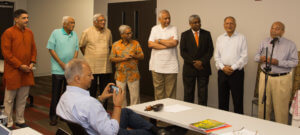
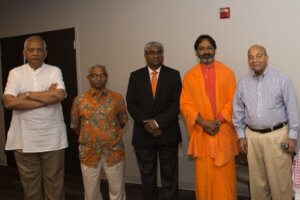
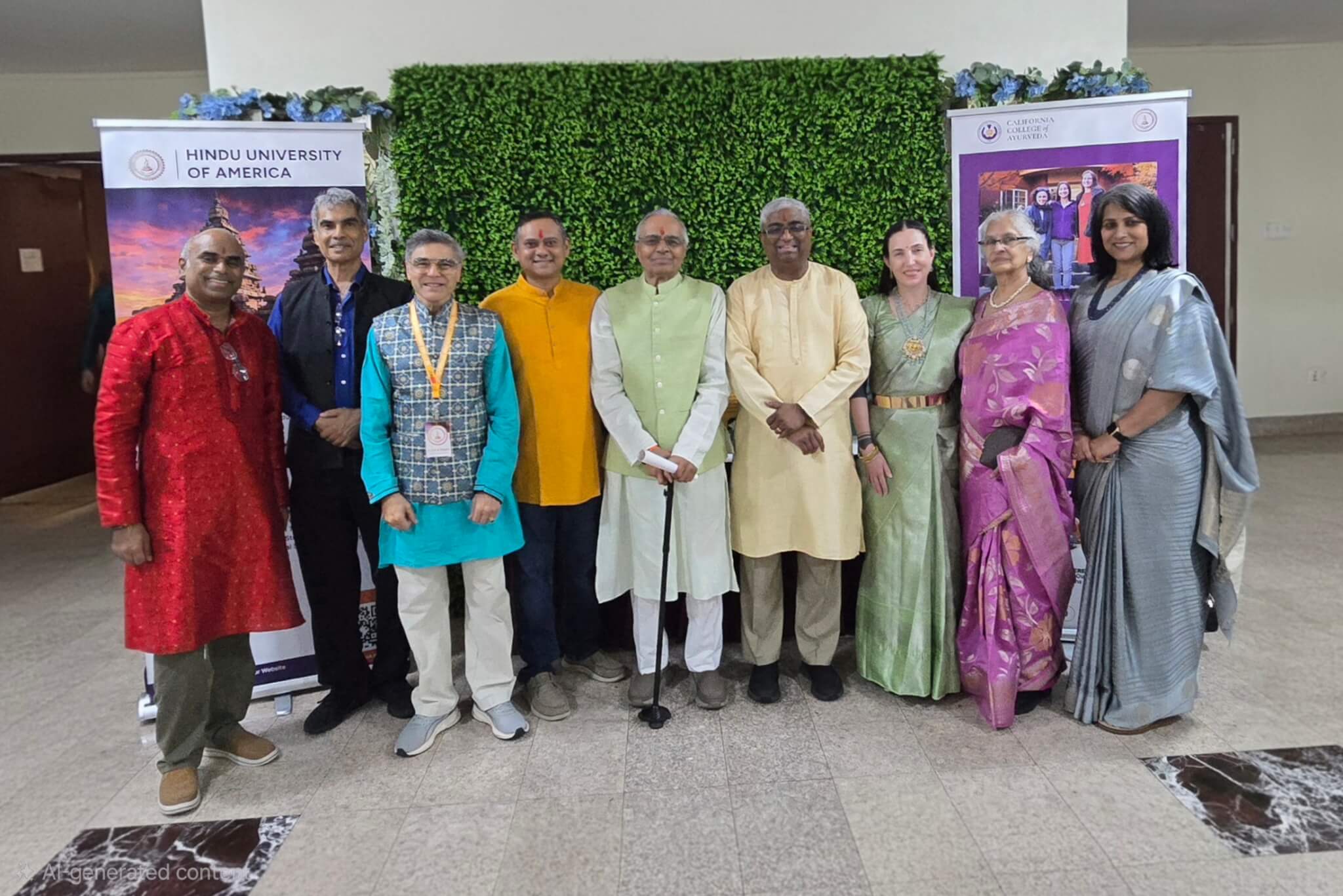
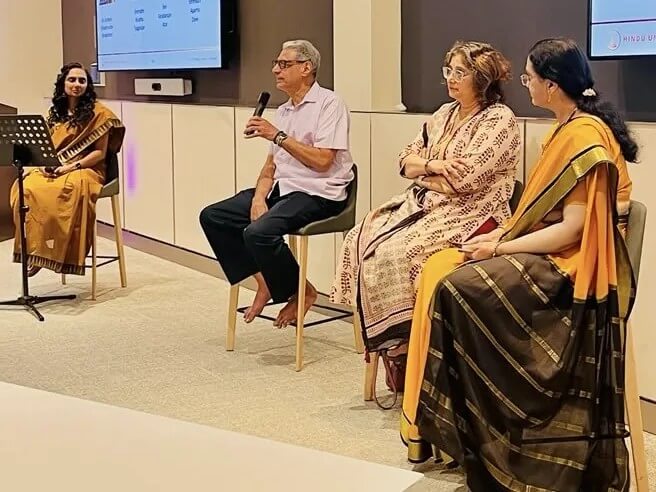
Across the year, HUA organized six major Saṃvāda fundraiser gatherings and community workshops across the country, bringing together scholars, students, donors, community leaders, families, and Friends of HUA chapters in a shared conversation about the future of Hindu studies in America. Each of these chapter-led outreach efforts carried its own distinct character, shaped by the local community that hosted it, yet all of them were united by a common purpose: to strengthen the academic, cultural, and civilizational foundations needed for future generations, deepening the engagement with HUA’s mission.
HUA’s Saṃvāda gatherings became living expressions of this spirit, bringing scholars, students, donors, community leaders, families, and Friends of HUA chapters into meaningful conversation about the future of Hindu studies in America. At Hindu University of America, Saṃvāda, therefore, is more than an event format. It is a way of coming together. It is dialogue rooted in respect, inquiry, reflection, and shared responsibility.

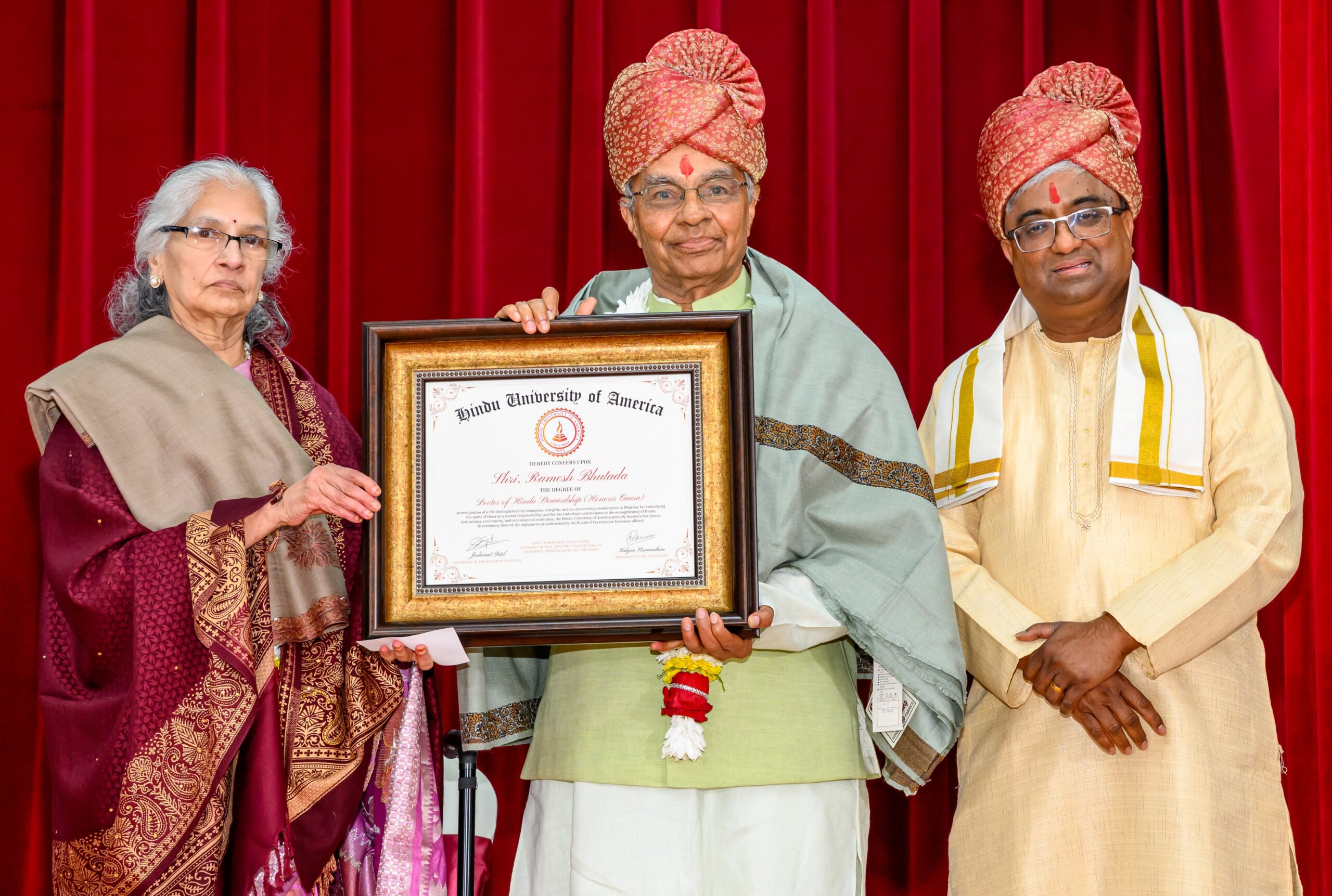
Among these gatherings, Houston stood out as the most strongly supported Saṃvāda of the year, both in community participation and funds raised. The Houston event was especially historic because HUA conferred upon Shri. Ramesh Bhutada the Honorary Doctorate in Hindu Stewardship, recognizing his decades of leadership, generosity, institution-building, and unwavering commitment to Dharma. His life of service reminded us that giving is not merely a financial act; it is a form of stewardship. It is the conscious decision to protect, nourish, and transmit what sustains a civilization.
Following Houston, Los Angeles Saṃvāda, Bay Area Saṃvāda, and DMV Saṃvāda each added momentum to HUA’s growing national presence. These events created spaces where community members could learn about HUA’s journey, understand the urgency of Hindu studies, hear from students and leaders, and reflect on the role each of us must play in sustaining institutions that serve Sanātana Dharma with academic rigor and public clarity.
The Los Angeles gathering was especially memorable for its warmth, intellectual seriousness, and community energy. The Bay Area event brought together reflection, music, scholarship, and dialogue in a way that showed how Hindu thought continues to speak across generations. The DMV gathering carried forward the same spirit of engagement, bringing together supporters who recognize the need for Hindu voices to be strengthened in academia, media, and public life. The Hindu Parenting workshops at Houston and Seattle reflected the growing desire among Friends of HUA to take ownership of HUA’s mission in their own cities.
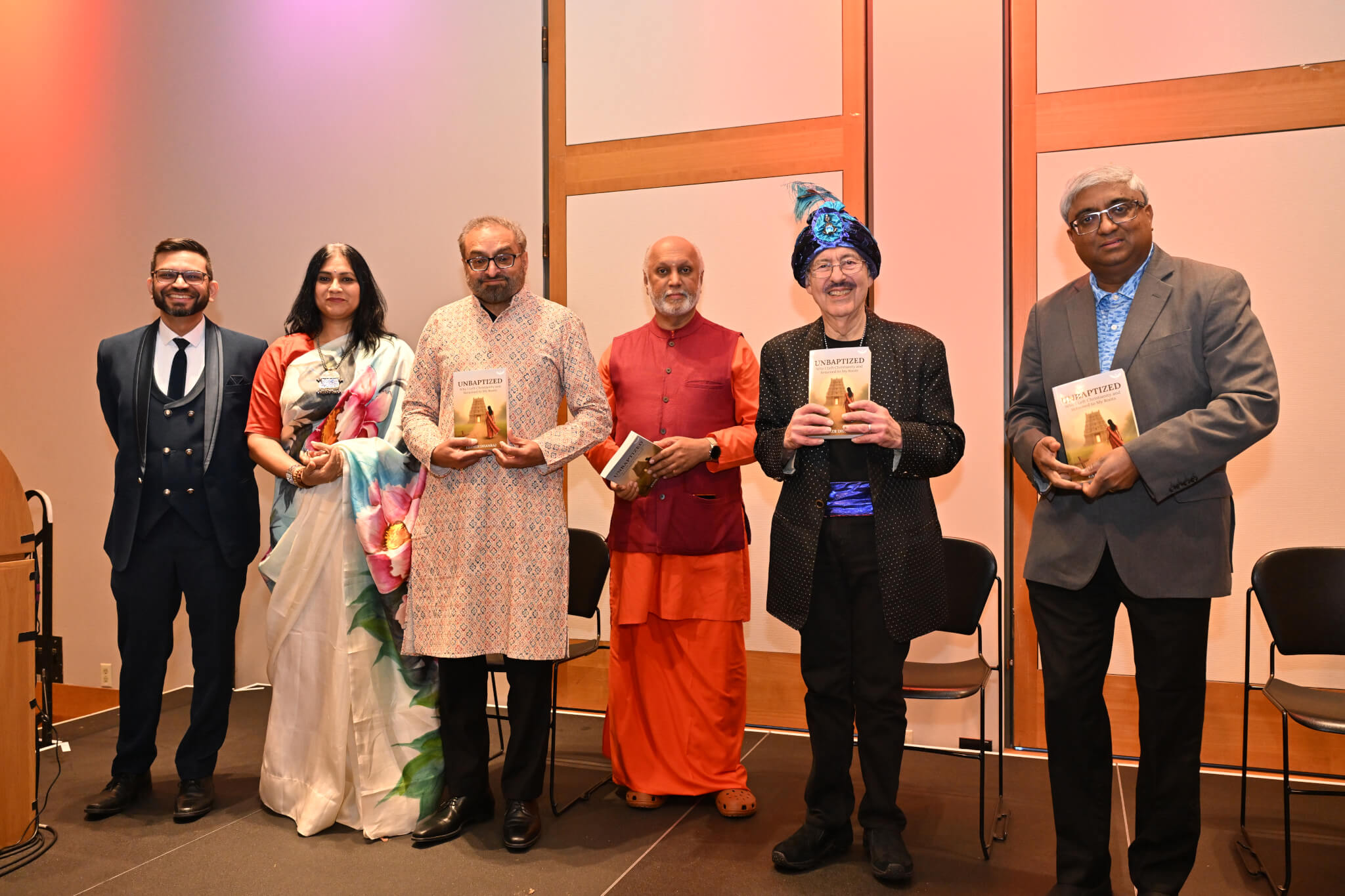
A personal highlight for me this year was the release of my book, Unbaptized: Why I Left Christianity and Returned to My Roots, as part of the Saṃvāda gatherings. Sharing this book in HUA spaces was deeply meaningful because my own journey is inseparable from the mission of HUA. I spoke not merely as an author, but as someone who has lived the consequences of religious dislocation, intellectual struggle, and the eventual return to one’s civilizational roots. To hold that book in the presence of HUA supporters, students, faculty, and community members was to witness how personal testimony can become part of a larger institutional and civilizational conversation.
In each city, the response to Unbaptized affirmed something important: our communities are ready for honest conversations. They are ready to ask difficult questions. They are ready to move beyond sentiment and toward deeper understanding. That is precisely the work HUA exists to support.
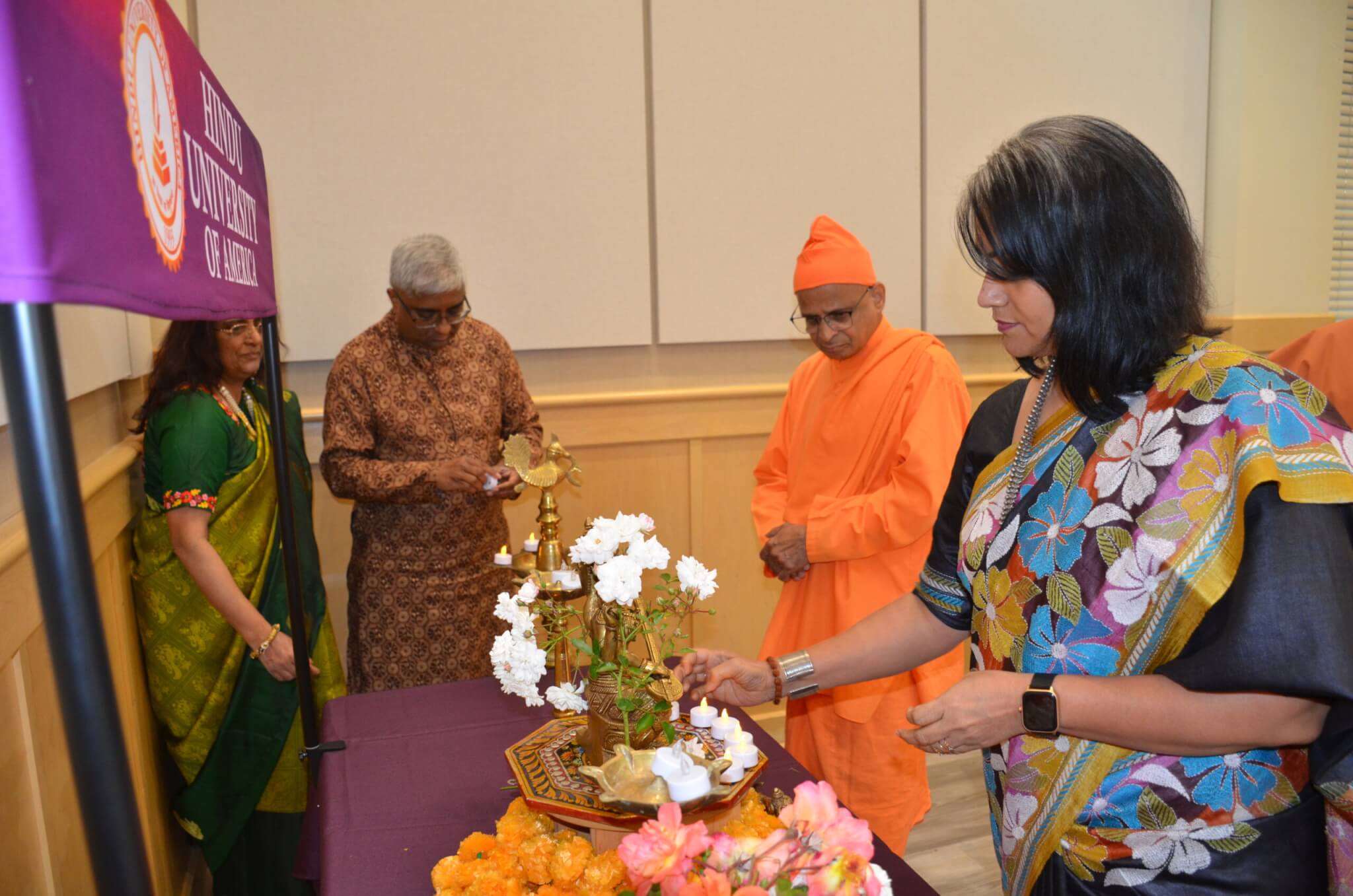
None of this would have been possible without the tireless work of the Friends of HUA chapter members and volunteers. From outreach calls and venue coordination to registrations, hospitality, donor follow-up, food arrangements, stage flow, speaker coordination, and countless behind-the-scenes details, FoHUA volunteers carried these events with dedication and love. They transformed ideas into gatherings, gatherings into relationships, and relationships into long-term support for HUA.
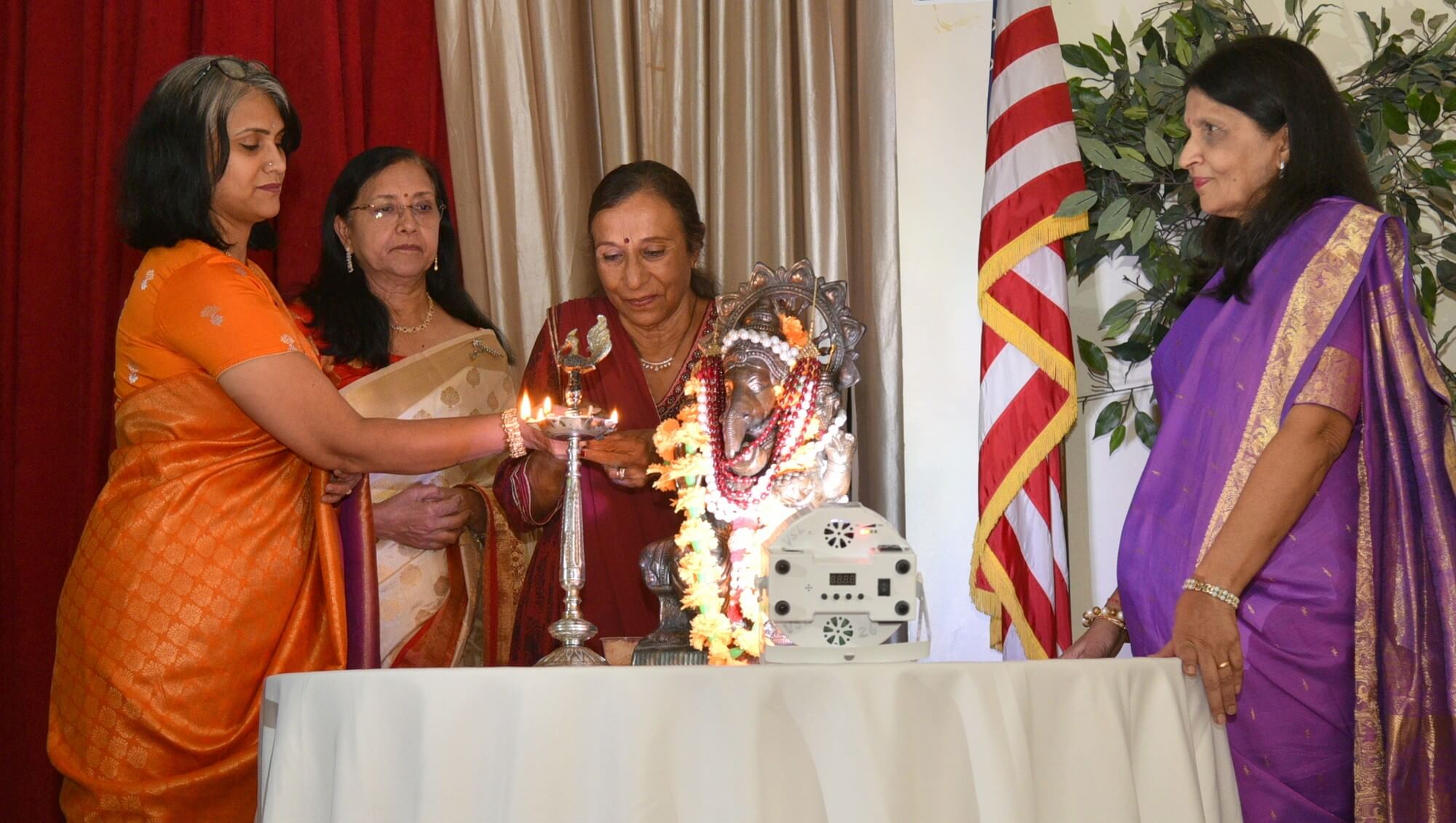
To every FoHUA chapter member who gave time, energy, resources, and credibility to these efforts: thank you. Your work is not merely logistical. It is institutional seva. You are helping build the local foundations of a national movement for Hindu education and scholarship.
As we enter the new year, HUA carries forward this momentum under the theme of Sankalpa.
Sankalpa means resolve. It is not a passing wish or a casual intention. It is a disciplined commitment rooted in clarity and purpose. For HUA, Sankalpa means recommitting ourselves to the work of building a strong, stable, academically rigorous, and community-supported Hindu university. It means strengthening Friends of HUA chapters. It means expanding donor engagement. It means creating spaces where students, families, scholars, and community leaders can encounter Hindu knowledge systems with confidence and depth.
The year of Saṃvāda showed us what is possible when dialogue becomes action. The year of Sankalpa asks us to take the next step: to transform inspiration into commitment, participation into ownership, and support into sustained stewardship.
HUA belongs to our Hindu community. HUA’s work belongs to all of us. Its future will be built by those who understand that institutions do not grow by sentiment alone. They grow through Sankalpa: through clear resolve, steady effort, and shared responsibility.
May the coming year be one in which our Saṃvāda deepens, our chapters strengthen, our donors grow, and our collective Sankalpa carries HUA into its next chapter of service to Sanātana Dharma.