








Maharshi Sushruta Honored at the Royal College of Surgeons of Edinburgh
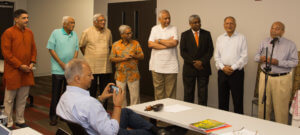
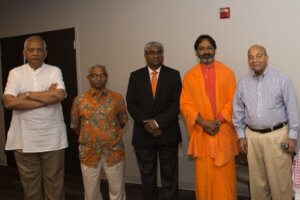
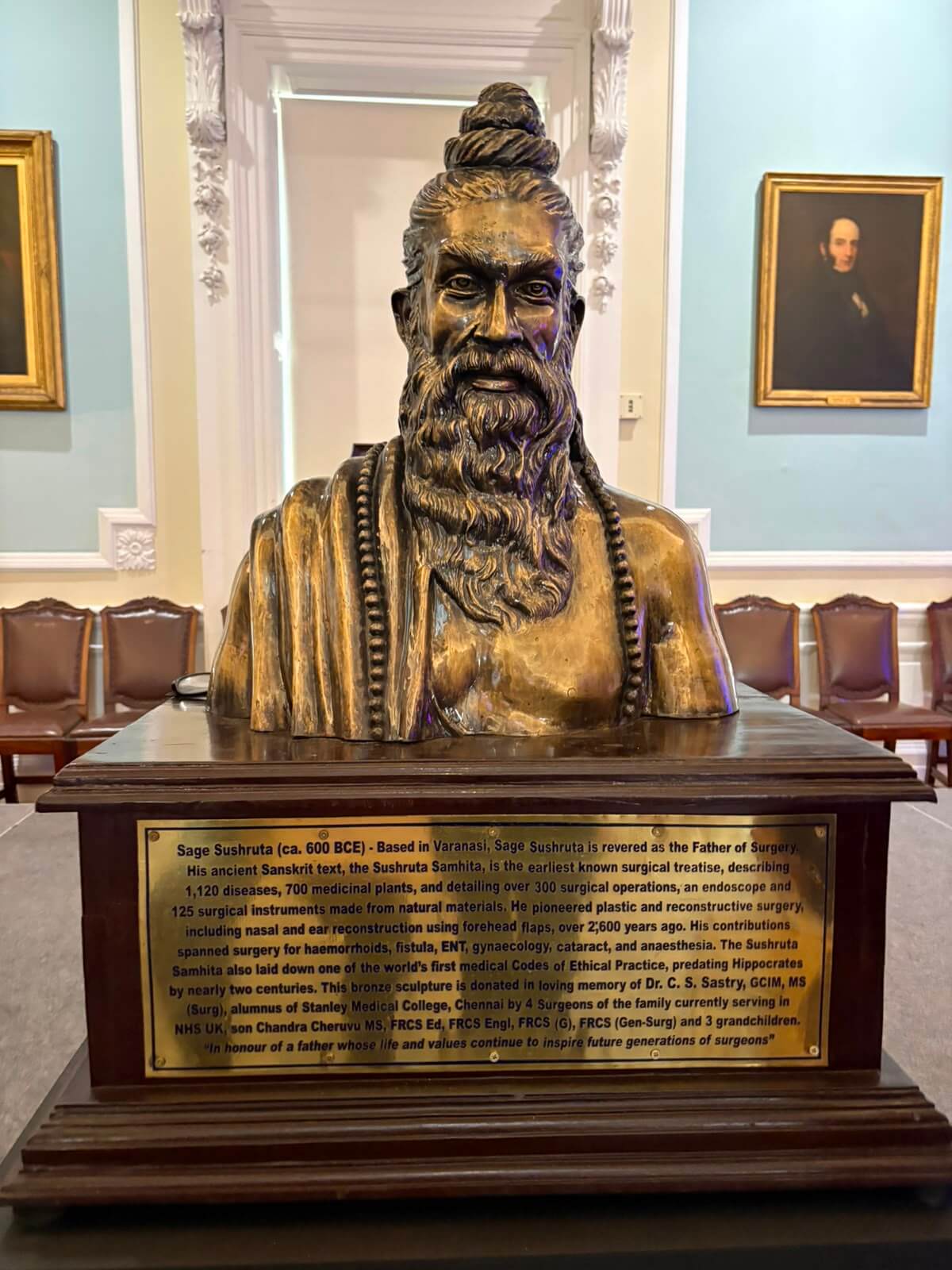
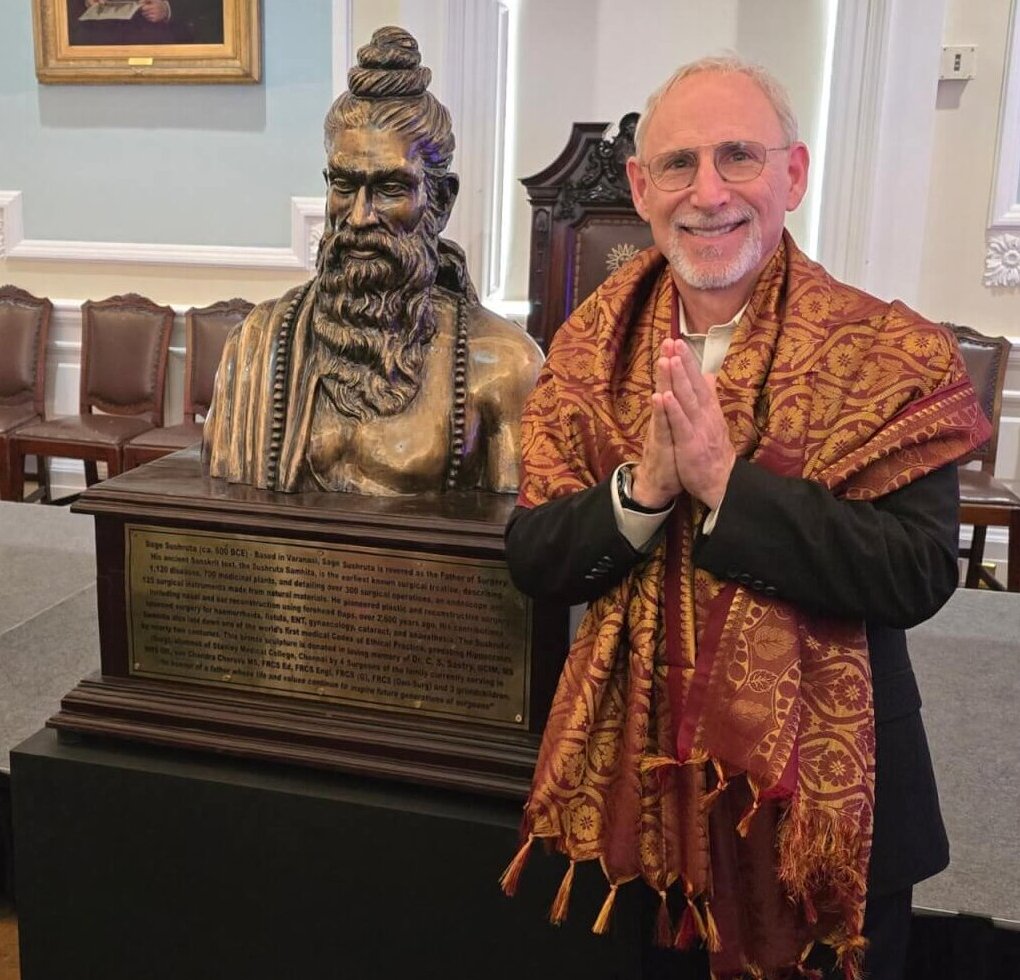
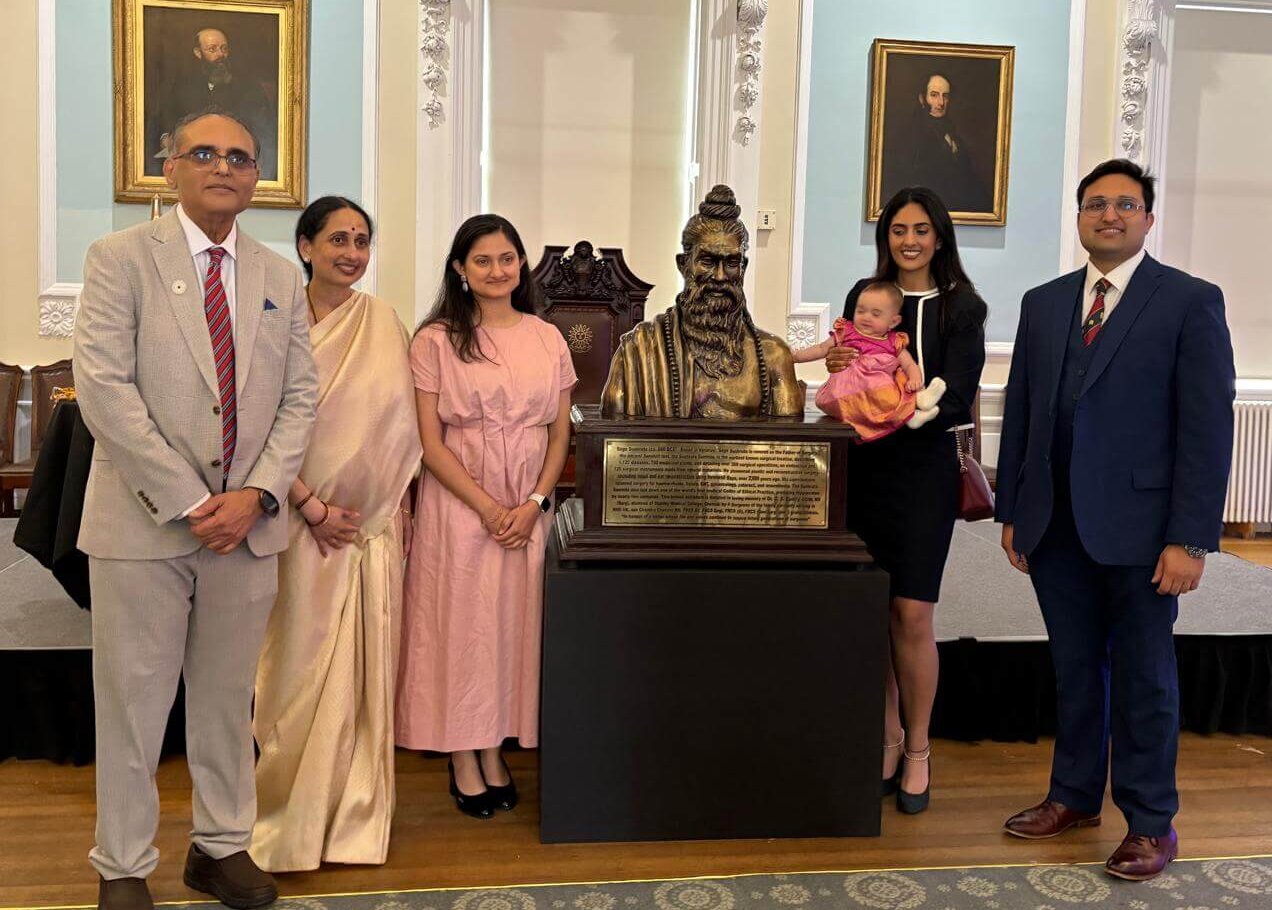
On June 19, 2026, an important chapter was added to the global history of medicine. A bronze statue of Maharishi Sushruta, revered as the Father of Surgery, was unveiled at the Royal College of Surgeons of Edinburgh in Scotland. The sculpture was gifted by Professor Chandra Cheruvu and his family and is now part of the College’s Heritage Collection.The ceremony brought together surgeons, Ayurveda scholars, academics, diplomats, and distinguished guests from India, the United Kingdom, and the United States. Among those participating was Dr. Marc Halpern, Founder of the California College of Ayurveda, who represented the growing international presence of Ayurveda education and scholarship. More than the unveiling of a statue, the occasion was a powerful acknowledgment of India’s contribution to medical science and of the global roots of surgical knowledge.The event not only celebrated India’s ancient medical heritage, but also the relationship between India and Scotland, and the continuing relevance of Ayurveda to modern healthcare.
Honoring the Father of Surgery
Maharishi Sushruta occupies a unique position in the history of healthcare. Associated with the ancient Sanskrit text known as the Sushruta Samhita, he describes a remarkably sophisticated approach to medicine and surgery, more than two millennia ago. The text includes detailed discussions of anatomy, surgical education, operative procedures, wound care, fractures, burns, obstetrics, ophthalmology, reconstructive surgery, medicinal preparations, professional conduct, and medical ethics. Sushruta’s descriptions of nasal reconstruction are frequently cited among the earliest documented foundations of plastic and reconstructive surgery. Equally significant is his emphasis on practical education. Students were expected to develop their skills through observation, disciplined training, anatomical study, and practice on models before treating patients. These principles of competency, preparation, precision, ethics, and responsibility remain essential to medical education today. The installation of Sushruta’s statue in one of the world’s most respected surgical institutions therefore represents more than historical remembrance. It acknowledges that the development of medicine was never confined to one geography or one civilization.
A Historic Setting in Edinburgh
The Royal College of Surgeons of Edinburgh was established in 1505 and has played a major role in surgical education, professional development, and medical training for more than five centuries. The new statue of Sushruta has joined the College’s Heritage Collection, reflecting its commitment to recognizing the diverse traditions that shaped the evolution of surgery. The Royal College described the ceremony as a celebration of surgical heritage, global collaboration, professional development, and the transmission of knowledge from one generation to another. The 90-kilogram bronze sculpture was gifted by Professor Chandra Cheruvu and his family through the Cheruvu Family Foundation. Created in Tamil Nadu using India’s renowned bronze-casting tradition, the sculpture carries both medical and artistic significance. It connects the knowledge tradition of Sushruta with the craftsmanship and cultural heritage of India. The ceremony was attended by Siddharth Malik, Consul General of India in Edinburgh; Professor Clare McNaught, President of the Royal College of Surgeons of Edinburgh; Professor Rowan Parks, Past President of the College; Professor Chandra Cheruvu; Dr. Marc Halpern; and other dignitaries and medical professionals. The Consulate General of India stated that the event celebrated India’s ancient medical heritage, the historic relationship between India and Scotland in medicine and surgery, and the Royal College’s continuing contribution to surgical education worldwide.
Dr. Marc Halpern and the Voice of Ayurveda in the West
Dr. Marc Halpern’s presence at the ceremony was especially meaningful for the California College of Ayurveda and for the broader Ayurveda community in the United States.As the Founder of the California College of Ayurveda, Dr. Halpern has devoted much of his career to establishing Ayurveda as a respected system of healthcare and professional education in the West. His participation placed contemporary Ayurveda education within an international conversation involving surgery, medical history, integrative healthcare, and cross-cultural scholarship. Reflecting on the occasion, Dr. Halpern said, “It was an honor to participate in this historic gathering at the Royal College of Surgeons of Edinburgh. Maharishi Sushruta’s legacy reminds the world that Ayurveda is not only an ancient system of wellness, but a highly developed medical tradition that made profound contributions to surgery, clinical education, ethics, and patient care. The unveiling of this statue is a proud moment for India, for Ayurveda, and for everyone working to preserve and advance this knowledge.” Dr. Halpern’s participation also highlights an important responsibility for institutions teaching Ayurveda today: to present the tradition accurately, respectfully, and with appropriate scholarly and clinical rigor.

Beyond Surgery: Sushruta’s Integrative Vision
Although Sushruta is best known for surgery, the Sushruta Samhita presents a far broader vision of health. Surgery was not treated as an isolated technical activity. It existed within a comprehensive medical framework that included diet, lifestyle, medicinal herbs, diagnosis, prevention, postoperative care, mental discipline, ethics, and individualized treatment. This holistic perspective is one of Ayurveda’s most enduring contributions. The patient is not reduced to a disease, a symptom, or a surgical procedure. Instead, care considers the person’s constitution, environment, habits, digestion, strength, stage of illness, and capacity for recovery. In this sense, Sushruta’s legacy remains relevant to contemporary discussions about integrative medicine. Modern healthcare increasingly recognizes the importance of prevention, nutrition, lifestyle, rehabilitation, patient-centered care, and coordinated treatment. These principles have deep roots in Ayurveda.
Investing in the Future of Surgery
The Edinburgh event also looked toward the future. Alongside the statue, the Cheruvu Professional Development Grants were launched to support education and professional growth in surgery and orthopaedic surgery. The Royal College explained that the grants and the statue share a common purpose: honoring the knowledge of earlier generations while supporting future generations of healthcare professionals. A commemorative publication, ‘Maharshi Sushruta: A Compendium; Father of Surgery’, was also associated with the initiative, bringing together perspectives on Sushruta’s contributions and their continuing relevance to medicine. This combination of heritage, scholarship, education, and professional development makes the initiative especially meaningful. Sushruta is not being remembered only as a figure from the distant past. His legacy is being used to inspire future learning and service.
A Pioneer of Ophthalmology
Sushruta’s achievements extend far beyond general and reconstructive surgery. He also made foundational contributions to ophthalmology, earning recognition as the Father of Indian Ophthalmology. The Uttara Tantra of the Sushruta Samhita contains an extensive classification of eye diseases and describes their causes, symptoms, prognosis, and treatment. Most notably, Sushruta documents an early surgical procedure for cataracts using a method known as couching, in which the clouded lens is displaced from the visual axis. Although this ancient procedure differs greatly from modern cataract surgery, its description demonstrates a remarkably advanced understanding of eye disease and operative intervention for its time. The Edinburgh installation therefore honors not only the Father of Surgery, but also a pioneering ophthalmologist whose work influenced the development of eye care, reconstructive medicine, surgical training, and clinical ethics.
A Proud Moment for India and Ayurveda
For many years, the history of medicine was often told primarily through a Western lens. The installation of Maharishi Sushruta’s statue at the Royal College of Surgeons of Edinburgh helps broaden that narrative. It recognizes that scientific and medical knowledge developed across civilizations and that India’s knowledge traditions made foundational contributions to surgery, health, and healing. A moment of cultural and scientific pride of India.
For Ayurveda, this recognition is both a celebration and an opportunity. It invites scholars, clinicians, educators, and students to study the classical texts more deeply, undertake responsible research, strengthen professional standards, and communicate Ayurveda’s contributions with clarity and integrity.
For the California College of Ayurveda, Dr. Marc Halpern’s participation represents another step in bringing Ayurveda into meaningful dialogue with the international healthcare community.
The statue of Maharishi Sushruta now stands in Edinburgh as a lasting reminder: the history of medicine is a shared human story, and India has played an extraordinary role in shaping it.