






$300.00
This adhyasa bhasya course is part of the following programs:
Admission into a program of study. Some exposure to the Vēdānta śāstra and ability to read Sanskrit.

In this course, students will be able to:
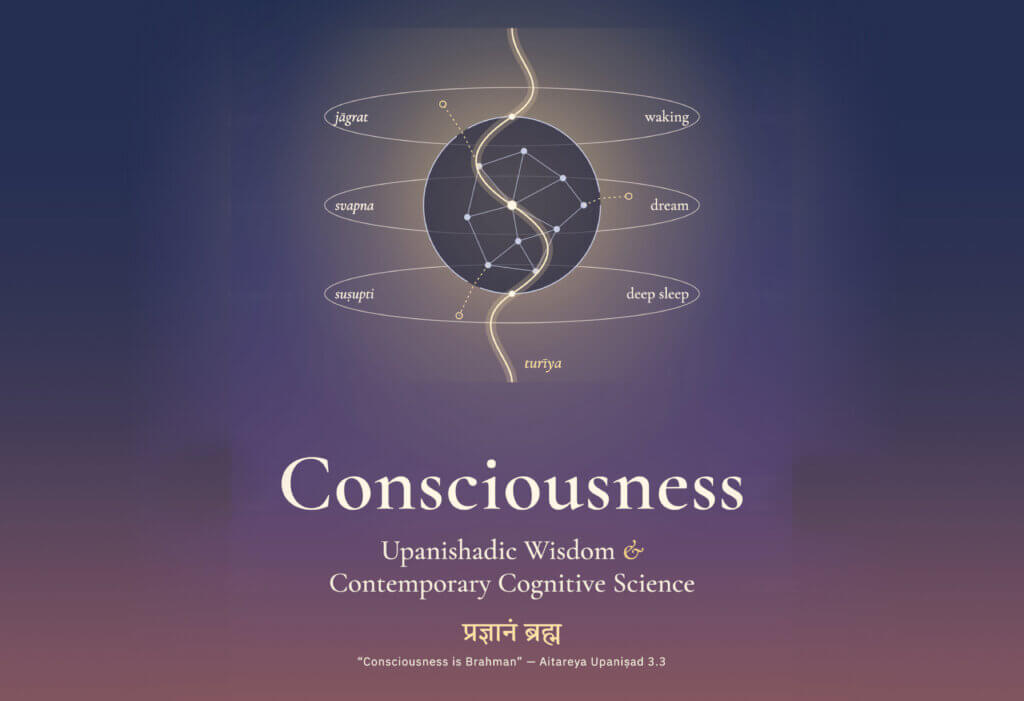
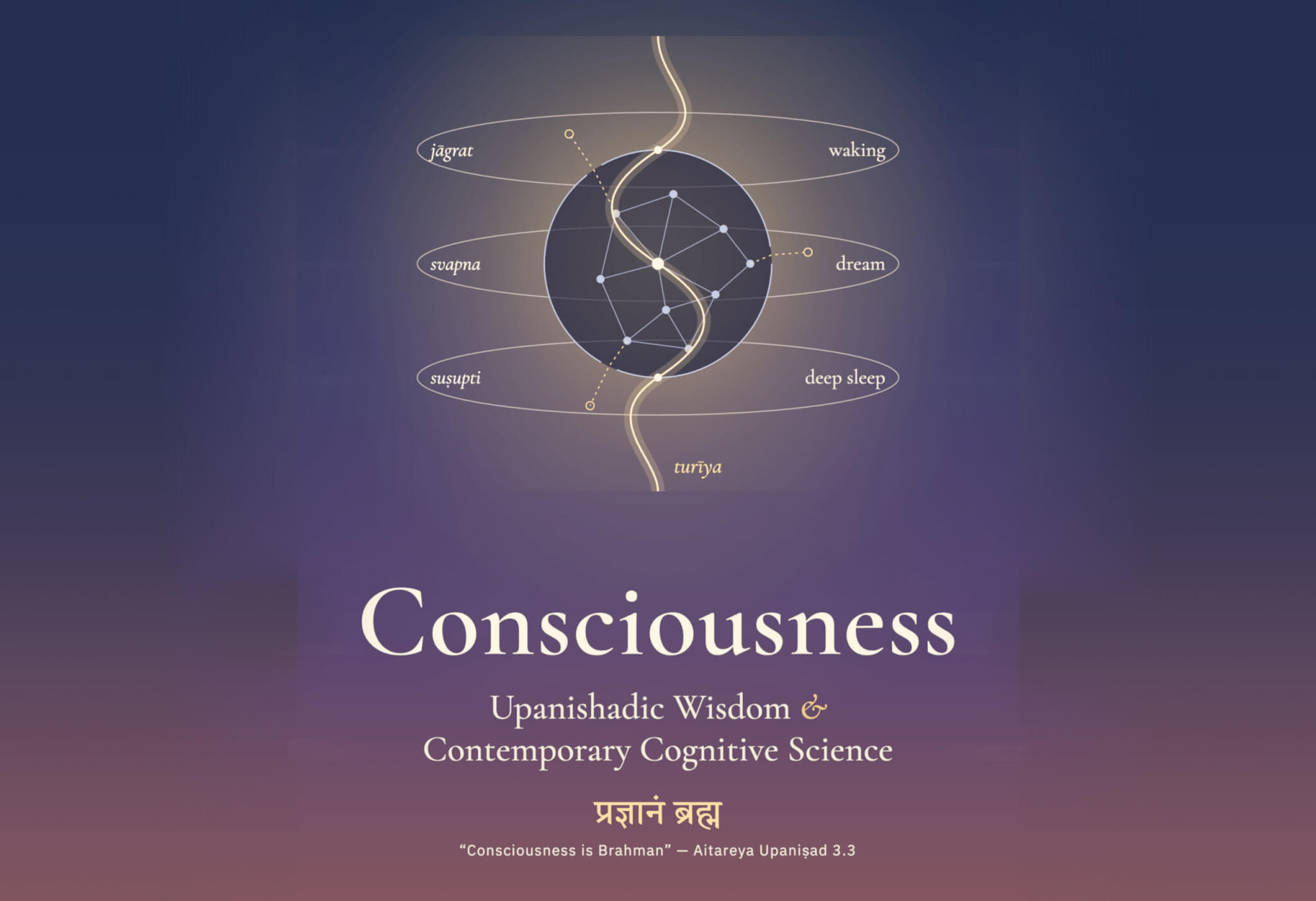
Every human transaction begins with a fundamental paradigm: an experiencing subject interacting with an objective world. Yet, while the objective world is publicly shared, our perception of it is filtered through an individual, highly subjective psychological universe. This course systematically explores the nature of awareness by tracing the boundary between the observer and the observed. Beginning with the cognitive error of
identifying oneself with the body-mind-sense (BMS) complex, we examine whether consciousness is merely localized in discrete neural "pockets" or if it is a pervasive reality seemingly segmented by physical boundaries.
As we analyze the limits of the spatiotemporal paradigm, it becomes evident that because space and time are themselves objects of awareness, the experiencing Subject must transcend them. We contrast modern physicalist cognitive science—which faces the conundrum of explaining how objective neural firings yield subjective awareness—with the Upanishadic revelation of Satyaṁ Jñānam Anantaṁ Brahman: absolute, non-dual Consciousness (Chit) as the primary substrate of all reality.
To account for individual cognition without compromising non-duality, the Upanishads present the model of chidābhāsa—pure Consciousness reflected in individual mind-stuff (antaḥkaraṇa). Crucially, while Vedānta unfolds Chit as the absolute Light and chidābhāsa as its empirical reflection, it leaves open the physical and biological mechanisms that enable neural tissue to act as a reflective medium. This course positions modern cognitive science, neurobiology, and quantum models (such as Penrose’s non-computable physics) as the study of this very medium, demonstrating how empirical science illuminates the “mirror” while Upanishadic wisdom reveals the self-evident Light.
There will be one 90 min class every week. This will consist of lecture for 75 min and a 15 min Q&A pertaining to the subject matter discussed. Class-room participation is encouraged.
$300.00
HUA Mitra
On the program page, there are multiple payment plan options to choose from.