





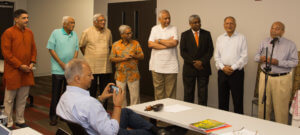
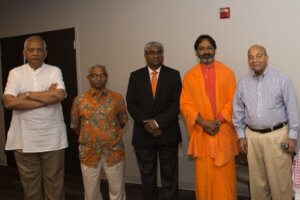

"As a Hindu, I feel what the Hindu University is doing is invaluable to Hinduism generally and to India. HUA...
$300.00
This course is part of the following programs:
Admission to the program of study.

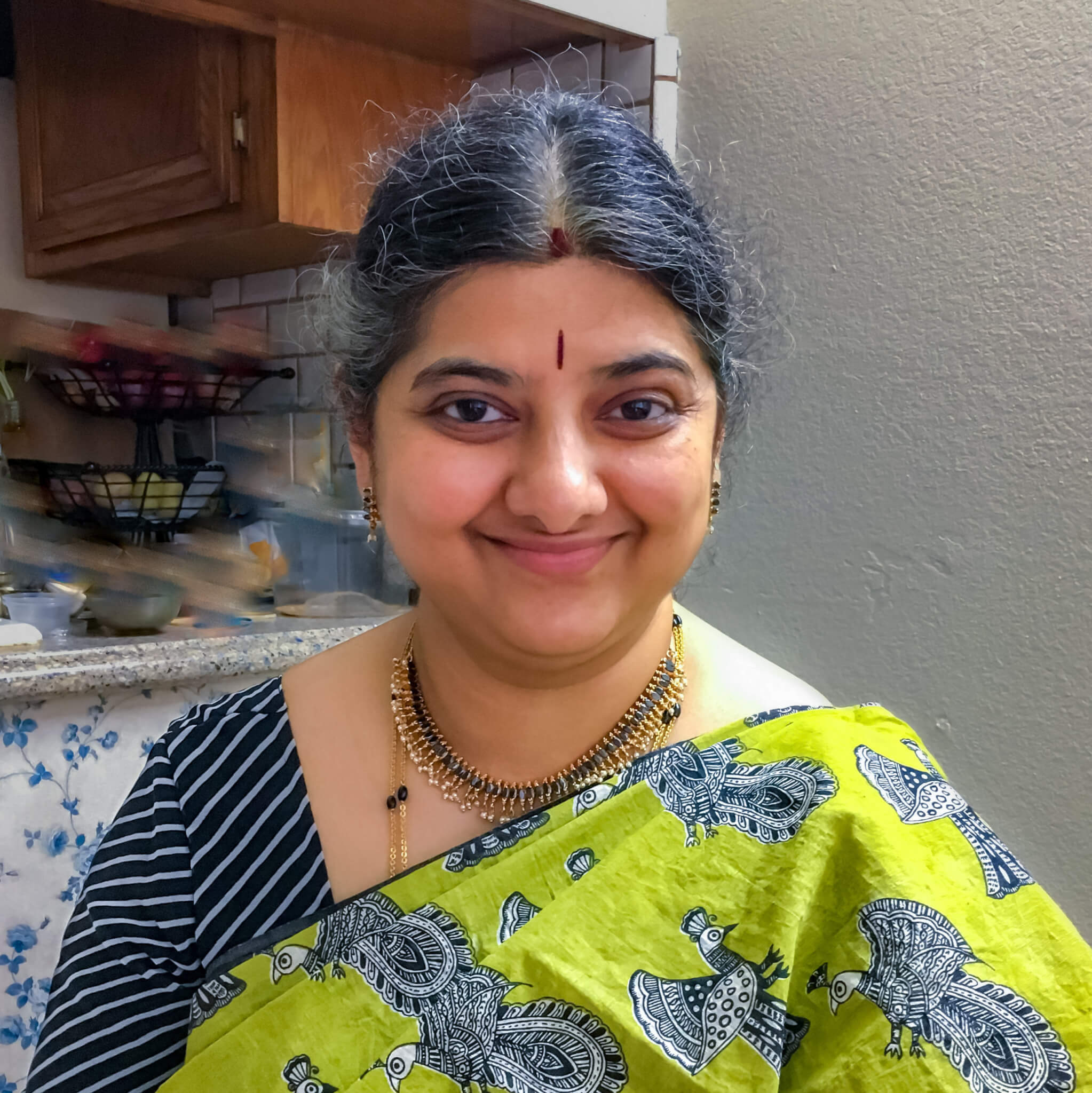
Dr. Kuldip Dhiman serves as a Texts and Traditions faculty member at both the Graduate and Community Education Divisions at HUA. He holds Master’s Degrees in English, Philosophy, Sanskrit, and Graphic Design, and earned his Ph.D. in Philosophy from Punjab University. His early education was at Kendriya Vidyalaya, Hebbal, Bangalore, and he also completed a course in journalism from the Writer’s Bureau, UK.
Dr. Dhiman is the author of several works, including The Yogavasishtha of Valmiki (a seminal text on Vedanta), The Ultimate Iconoclast (on the philosophy of Rajneesh Osho), Emotion – The Essence of Life (on evolutionary psychology), and The Yogasutram (a translation from Sanskrit to English with the Vyasa Bhashya). He is currently producing YouTube videos on the Yogasutram in both English and Hindi.
With over three years of experience teaching Sanskrit through the Bhagavad Gita at Punjab University, Dr. Dhiman has developed an effective indirect method for language instruction. He also teaches the Yogasutram online, making this classical text accessible to a wider audience.
In addition to his work in philosophy and Sanskrit, Dr. Dhiman is internationally recognized for his research on reincarnation, having investigated over a dozen cases and published his findings both in India and abroad. His diverse interests include music, photography, and cinematography, reflecting a multifaceted engagement with art, culture, and scholarship.
In this course students will be able to:
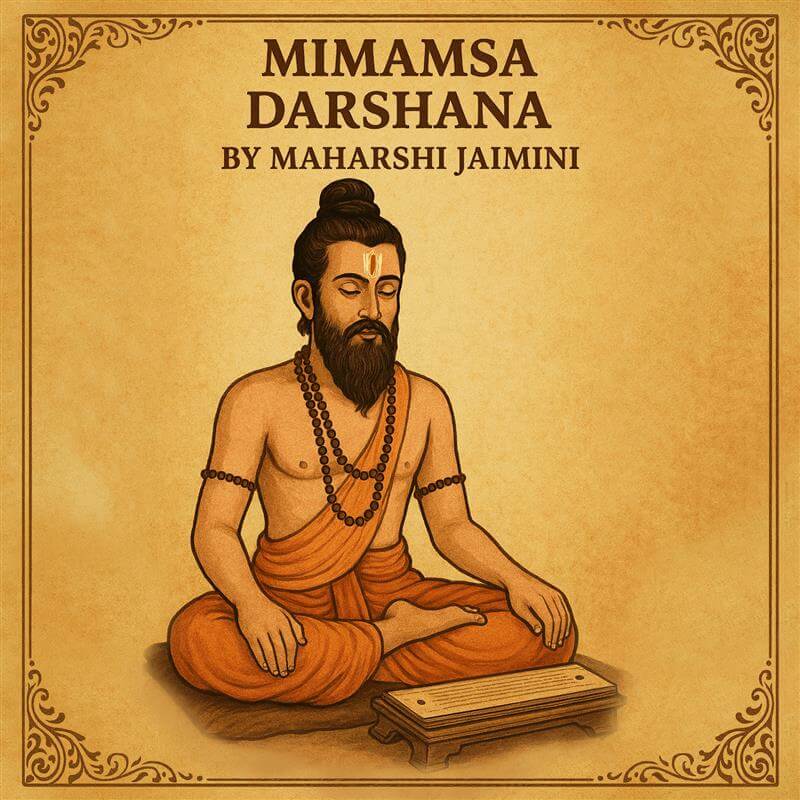
The term Mīmāṁsā signifies the desire to know through rational analysis. This course introduces students to the hermeneutical methods of Mīmāṁsā, equipping them to interpret foundational such as the Upaniṣads, Bhagavad Gītā, and other Vedic texts with enhanced clarity. Furthermore, students will develop the ability to critically examine, and address objections raised by the Nāstika (heterodox) schools.
It is more than twice the length of all the other five darśanas combined It addresses 1,000 Vedic topics (adhikaraṇas) and comprises 16 chapters, most of which are divided into four sub-chapters.
We aim to complete as much of the First Chapter as possible.
Course Materials and Resources –
– Primary Texts:
– Mīmāṁsā Sūtras by Jaimini.
– Śabara Bhāṣya.
– Secondary Sources:
-The Mīmāṁsā Philosophy” by S.K. Belvalkar.
– “The Sacred Books of the Hindus” series.
– Supplementary Readings:
– Articles on comparative studies of Indian philosophy.
– Contemporary works on Indian epistemology and hermeneutics.
There will be a minimum of 2 contact hour every week. The class is structured in a way that promotes discussion and debate based on self-study and reflection each week. While the content being discussed in each class will be concluded within 90 minutes, the discussion time will be free format, and can continue for an additional 30 minutes maximum. The class structure is aimed to promote learning, self-study, reflection, and discussion every week.
During the course, students will be required answer one assignment at the end of the course. A model question paper would be provided quite early in the course so that the students can take guidance from the instructor if necessary. The students will have to attend and participate in every class except for emergency reasons as it will benefit them in learning most from the class.
$300.00
On the program page, there are multiple payment plan options to choose from.