






Hindu Studies Foundations
The Hindu Studies Foundations area is a collection of Core Courses, including many Graduate level mandatory courses, required for most graduate degrees. They provide a basic understanding of the central themes and ideas of Hinduism that constitute the common foundations of the great variety of traditions and practices within the umbrella of Sanātana Dharma. This area includes courses in the various primary texts of Hindu Dharma such as the Vedas, Vedānta, Yoga, Bhagavad Gita, the Dharma Shastras and the Systems of Hindu Philosophy called the Ṣaḍ-Darśana.
These courses examine the concept of “Tradition” (i.e. Sampradāyas) as distinct from “Religion”, “Oral” versus “Textual” traditions, and develop insight into the great diversity of forms, expressions, and practices that have emerged within Sanatana Dharma. The mechanism through which Hindu Dharma adapts itself to different places and times, psychologies and dispositions, and manages plurality while enabling a Dharmic life and the unity of thought underlying the seeming diversity of forms and manifestations is explored.
Emphasizing continuity of thought as well as discontinuous developments, this area of study provides a grounded understanding of the Vedic Hindu Civilization and Culture as a living tradition with a unique perspective on the cosmos and our place as humans within it i.e. the Vedic Hindu Cosmology. In addition, the foundations also include some comparative study courses that include a preliminary examination of other world religions and philosophies as well as critical contemporary issues in Hindu Studies. This area of study carefully distinguishes between the Hindu paradigm or cosmology from a western paradigm or cosmology and how each yield different understandings of the same phenomena.

Darshana 2: Introduction to Hindu Philosophy

Writing Stories for Young Readers

The Evolutionary Soul: Transforming Outer Nature from Within

The Bhagavad Gita: Purification, Awakening and Lasting Contentment

The Bhagavad Gita: Cosmic Vision and Infinite Self

The Bhagavad Gita: Emotional Mastery and Purposeful Action

The Bhagavad Gita: From Inner Conflict to Self-knowledge
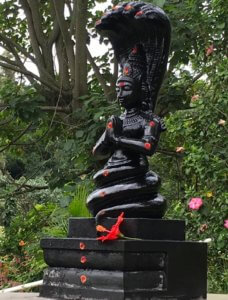
The Yoga Sutras of Patanjali

Integral Yoga: The Path to Conscious Evolution

Introduction to Research Methods

Hindu Theology

Vedic Chanting – Chamaka Prashna

Bhakti – The Heart of Wisdom – 2

Hindu Dharmic Parenting
Bhakti – The Heart of Wisdom – 1
Vedic Chanting – Rudram
Introduction to the Vedic Chanting

Shaddarshanas – Introduction to Hindu Philosophy

Discover Dharma – A Study Tour in India

Dharmashastra

The Brahmasutras
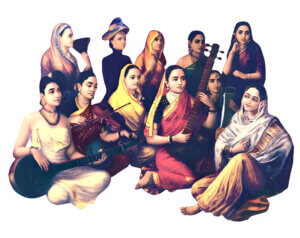
Women in Hinduism

Master of Arts in Hindu Studies

Chanakya’s Leadership Principles for the 21st Century

The Renaissance of Sanatana Dharma In the Light of Sri Aurobindo – Part 3
The Renaissance of Sanatana Dharma In the Light of Sri Aurobindo – Part 2
The Renaissance of Sanatana Dharma In the Light of Sri Aurobindo – Part 1
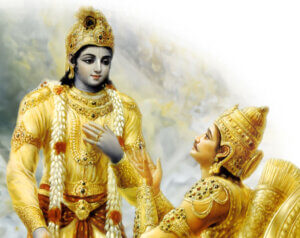
Growing up with the Gita
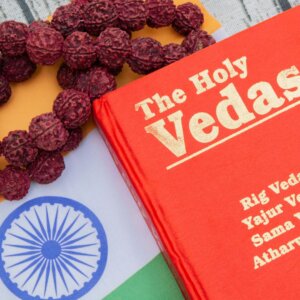
Methods in the Study of Religion

Research and Writing

Dhyaanam – Meditation and the Meditator

Introduction to Upanishads – Part 2
Darshana 1: Introduction to Hindu Philosophy

Introduction to the Vedic Ritual

BODHAK – The Gita Vidya Teacher Training
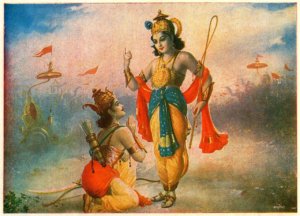
YOGA – The principles of pure soul in Bhagavad-Gita

GNANA – The principles of sound mind in Bhagavad-Gita

Hindu Contributions To The World In The Realm Of Mind – Living And Lifestyle

Hindu Contributions to the World in the Realm of Mind – Towards Sciences and Arts
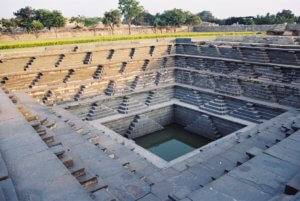
Introduction to Hinduism

Field-Based Learning

Writing in the Humanities – II

Hindu Contributions to the world in the realm of Matter – Big 5

Svadharma – Discovering and Living our Life Purpose

Distinguishing Varna and Jati from Caste

Discover the contemporary Relevance of Hindu Dharma
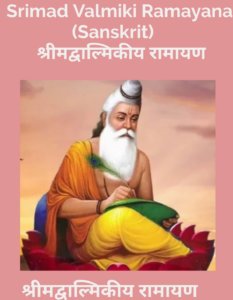
Lessons from the Valmiki Ramayana For teens and Parents
Lessons from Valmiki Ramayana

Exploring Hinduism – Society and Culture

Exploring Hinduism – Cosmology and Calendar

Exploring Hinduism – Divinities and Dharma

Exploring Hinduism – Geography and History

Self-knowledge and the quest for Happiness

Sri Aurobindo and Sanatana Dharma

Orientation to Hindu Studies
Introduction to Writing in the Humanities
Upanishadic Dialogues: Philosophical Reflections
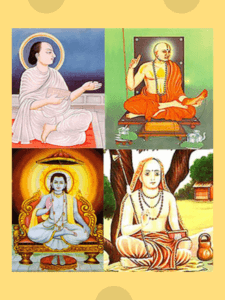
Introduction to Dvaita, Advaita and Vishishtadvaita systems of Vedanta

Gita Vidya Teachers Training Certificate

Graduate Academic Writing Seminar Intensive
Certificate in Hindu Civilizational Studies

Introduction to Upanishads – Part 1

Understanding Hinduphobia

Hindu Contributions to the world in the realm of matter – Game Changer
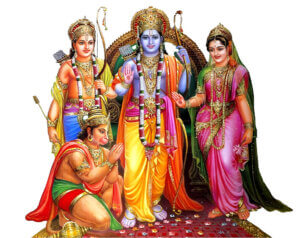
Ramayana for Excellence in Management and Leadership
Upanishadic Dialogues – I: The Chandogya Upanishad
Reason and Revelation in Hindu Philosophy

DEHA – The principles of sound body in Bhagavad Gita

Introduction to Bhagavadgita