








Area of Study: Yoga Studies
An Immersive Exploration of the Iconic “Autobiography of a Yogi”
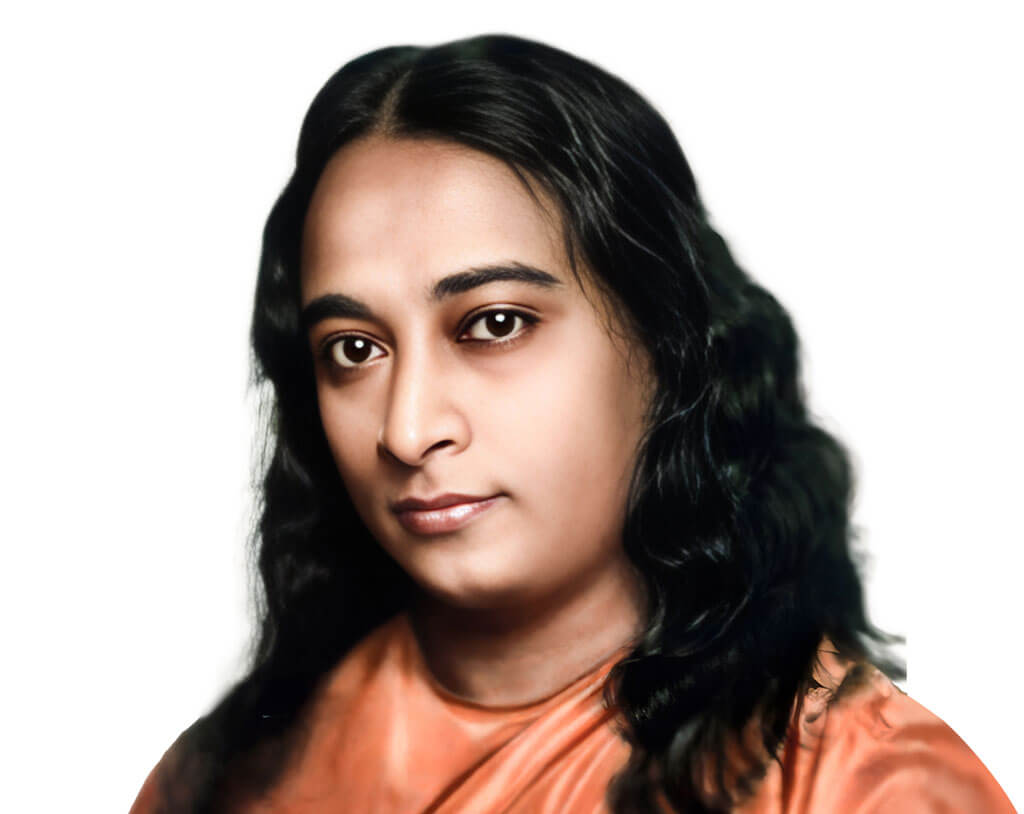
Immersive Exploration of the Autobiography of a Yogi Course
Course Content
We will read, ponder, and discuss Autobiography of a Yogi from start to finish, covering approximately fifty pages in each session. We will examine deeply the specific events depicted in the book in their historical, cultural, spiritual, and thematic context. The first 27 years of Yogananda’s life unfolded mainly in Bengal at an important moment in Indian history; he spent virtually all of the next 32 years in America (with the notable exception of one year in his homeland), spanning the Roaring Twenties, the Great Depression, and World War II. His classic autobiography was published in December, 1946.
Themes to be examined include: Yogananda’s descriptions of core Hindu teachings; his skillful adaptation of Hindu dharma to modern American culture and values; his attempts to balance innovation and tradition; the nuances of the guru-disciple relationship (Yogananda was both a devoted chela and a guru to many); the racism and bigotry he encountered as a public-facing Hindu in America; Yogananda as an example of a renunciate in the world, and of someone deeply committed to his dharma; how to understand the miraculous feats of yogic mind power his book famously depicts.
Importantly, the course will also emphasize what Yogananda left out. As the author of the groundbreaking biography The Life of Yogananda, Philip Goldberg will fill in the many gaps, bringing to light facts about the writing of the book and its publication, plus important details about Yogananda’s complex and fascinating life that are not mentioned in Autobiography of a Yogi—or, in many instances, anywhere else. Yogananda’s book is as relevant today as it was when published.
The life it depicts is unique in many ways, but it is also a model for all who strive for spiritual advancement amidst the challenges of worldly life.
Course Learning Objectives:
In this course students will be able to:
a) Explore deeply the seminal book that has launched millions of spiritual quests and illuminated millions of lives throughout the world.
b) Examine core principles and practices of Hindu Dharma through the work of the most influential guru to come to the West.
c) Better understand the challenge of adapting Dharmic teachings to Western culture, values, and beliefs in the scientific era.
d) Evaluate Yogananda’s contribution to the meeting of East and West, spirituality and science, ancient and modern.
e) Better understand how yogic principles and practices can enhance everyday life in the modern world.
f) Internalize key lessons from Yogananda’s life to uplift our own.
Class Structure
There will be ten lessons of 90 minutes each. The class will be structured in a way that promotes discussion, with an initial overview and orientation followed by a facilitated conversation. At the end of the course, students will be asked to submit a short essay based on self-reflection on their most important takeaways from the course.
Area of Study: Yoga Studies
Prerequisites: Admission into program of study
Required / Elective: Elective
Faculty/Instructor: Dr. Philip Goldberg
Start Date: July 12, 2022
End Date: September 20, 2022
Day: Every Tuesday
Time: 08:30 pm EST – 10:00 pm EST
Quarter Offered: Summer 2022
Antaranga Mandapam
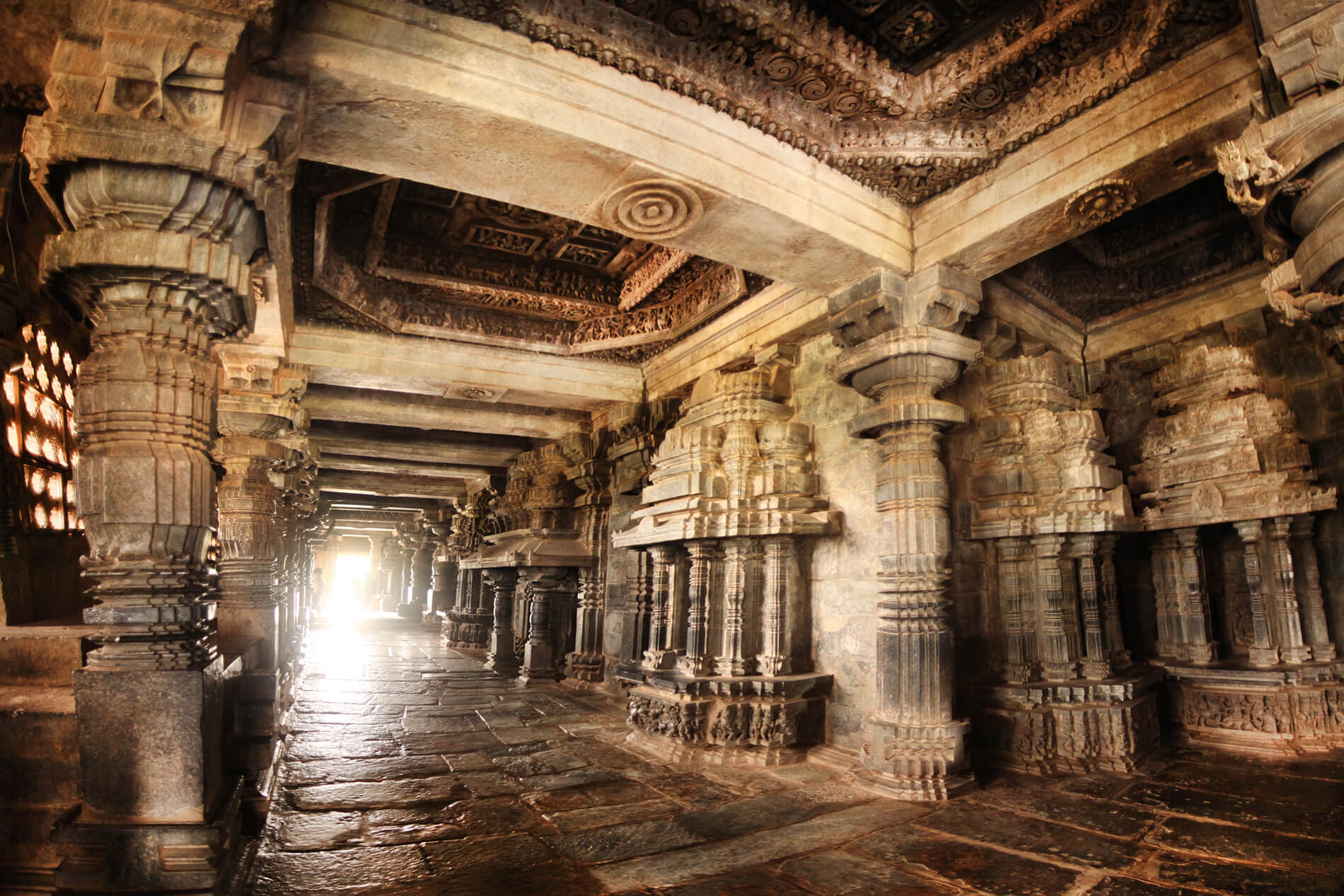
Antaranga Mandapam
In this course, students will accomplish the following:
- Learn to understand and deal with the internal confusion that this crisis has created
- Explore the Sangha as a healing space of lived and shared experience
- Correlate their life experience with select concepts from the Yoga Sutra
- Learn to learn from each other’s sharing
- Experience a shared sense of the sacredness of life
- Prepare for a journey of personal transformation
The traditional Hindu way of life had a holistic design, supported by a habitat that fostered harmony. People lived in their respective homes and worked in assigned areas. When the day’s work was done, it was customary to visit the temple. The temple was designed to take the person from the common everyday external orientation to an inwardness as they slowly wended their way to the garbhagriha (sanctum).
By the time the person reaches the sanctum, they have shed their roles and their identities. From an openness of the heart devoid of all notions of self they receive the blessings of the divine. The person then circumambulates the temple and rests a while in the Mandapam.
In the Mandapam, the wisdom of the Vedas and the Upanishads, were recreated through discourses, music, dance, stories and theatre performances. The Itihasa or Purana would be the basis of these performative traditions. The performative traditions were meant to evoke the rasa inherent in life and to convey the deep truths of the Upanishads and Vedas in simple ways.
The Mandapam, therefore, became the space where the community engaged in contemplative dialog, and nurtured a sense of being held in one’s humanness. Even the Gods and heroes whose stories were narrated had issues to confront like any one of us do, but found Dharmic ways of doing so! This mirroring of one’s life in the story provided insights into choices one could make, in the face of grave challenges.
The Antaranga Mandapam course will recreate this healing space online.
Required/Elective: Elective
Prerequisites: None
Faculty/Instructor: Sri Raghu Ananthanarayanan
Quarter Offered: Spring 2020
Area of Study: Yoga Studies
Start Date: April 14, 2020
End Date: June 23, 2020
Day: Tuesday
Time: 9.30 pm – 10:30 pm – EST
Antaranga Mandapam
Chakra Healing
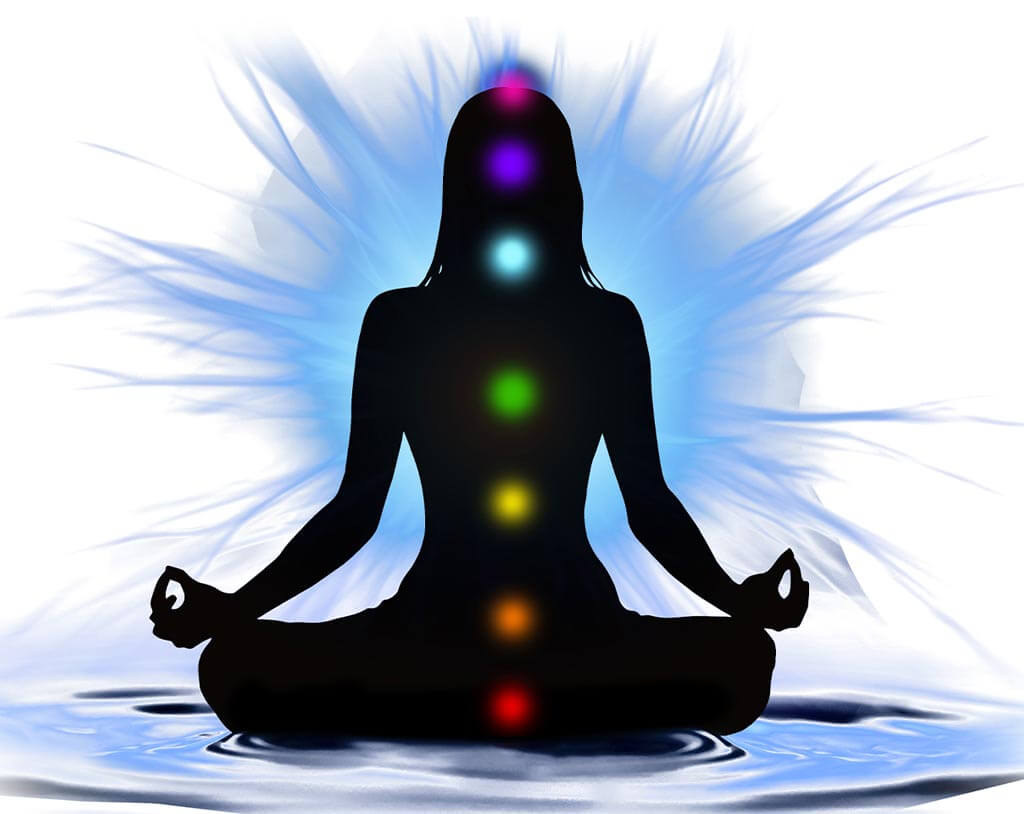
Chakra Healing Course
Chakra Immersion Retreat
Hatha Yoga Pradipika
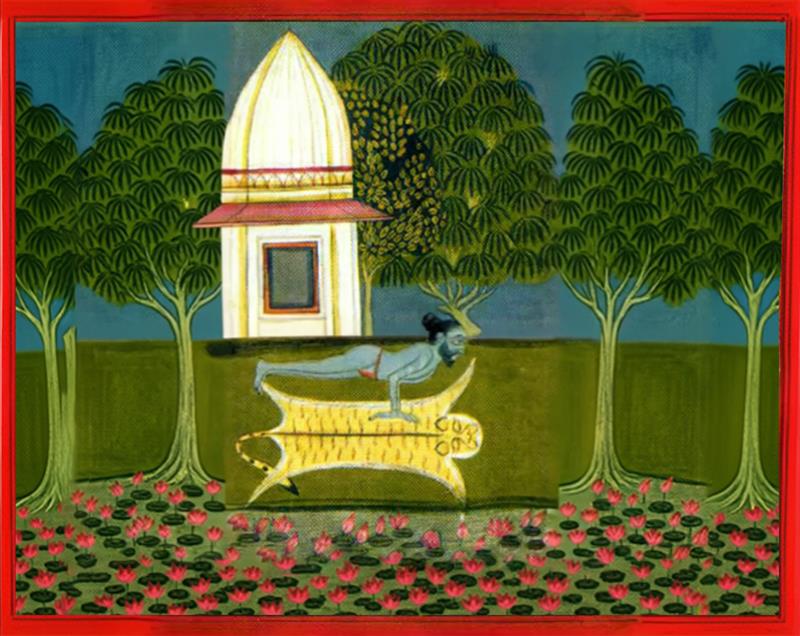
Holistic Yoga – 2: Deepen Your Yoga Practice

Holistic Yoga – 2 : Deepen Your Yoga Practice
Course Description
This course provides in-depth experience of holistic yoga, that integrates asana, pranayama, and meditation techniques for a sustained yoga practice.
In this course, we will dive into the practices of yoga, such as asana (postures) and pranayama (breathing practices), along with their concepts — through the lens of Patanjali Yoga Sutras.
The integrated approach to yoga is more than just a physical practice. It is a philosophy-based approach to viewing oneself and the rest of the world with a paradigm-shift. Holistic Ashtanga Yoga is an eight-limbed approach to yoga that synthesizes the traditional knowledge of yogic and vedantic texts, such as Patanjali Yoga Sutras, Hatha Yoga Pradipika, Bhagavad Gita, and other yogic and upanishadic texts, as a rich and comprehensive set of practices. In this course, we will experience the practices of yoga as a hands on experience while also understanding some of the concepts behind these practices.
In this course students will be able to:
- Learn in depth, the yoga practices of breath synchronized movements, asana, pranayama, and meditation along with their nuances.
- Understand the practice of Ashtanga Yoga such as asanas, pranayama, cleansing Kriyas, meditation, and relaxation
- Apply yoga practices and concepts to manage their physical, mental, emotional, and spiritual health.
Required/Elective: Elective
Prerequisites: Holistic Yoga- 1 Concept & Techniques, or Prior experience of yoga practice (at least 1 year) or teaching
Faculty/Instructor: Ashwini Surpur, Anil Surpur Sindhu Singal
Area of Study:- Yoga Studies
Days:- Batch 1 : Tuesday 6 pm EST – 8 pm EST & Saturday 10am – 1.15pm EST
Batch 2 : Wednesday 9 pm EST – 11 pm EST & Saturday 10am – 1.15pm EST
Start Date:- June 5, 2021
End Date:- June 30, 2021
Quarter Offered: Spring 2021
Holistic Yoga – Philosophy and Practice
Holistic Yoga – Philosophy and Practice
Internship and Practicum in Teaching Holistic Yoga

Internship and Practicum in Teaching Holistic Yoga
Course content:
Using the knowledge obtained through previous yoga studies courses, students will be able to implement their knowledge of yoga instruction in the field. Initially, students will shadow experienced yoga instructors as they teach various classes, such as dynamic, relaxing, loosening, and strengthening yoga sessions of varying lengths. Students will learn how to deliver a diverse set of yoga classes to a variety of audiences from different age groups.
Upon shadowing instructors, students will teach yoga classes with a mentor, eventually teaching on their own under a mentor’s supervision. After receiving feedback from an experienced yoga teacher, students will implement the feedback and hone their teaching skills. At the end of the course, students will complete a written final examination and a practical exam where their teaching skills will be evaluated.
Learning Objectives:
- Learn how to teach yoga to students in a field setting.
- Utilize yoga teaching techniques to deliver a smooth yoga teaching experience.
- Gather and implement feedback from seasoned yoga instructors regarding improving teaching techniques.
- Understand how to teach different types of yoga classes.
- Learn how to teach yoga to various different audience groups such as children, adults, and seniors.
Required/Elective: Required
Prerequisites: Must have completed Teaching Holistic Yoga.
Faculty/Instructor: TBD
Quarter Offered: All Quarters.
Area of Study:- Yoga Studies
Managing Back Pain through Holistic Yoga

Managing Back Pain through Holistic Yoga
Course Description:
Yogic Management of Back Pain is a course on learning a holistic approach of healing modality involving yoga practices and concepts. In this course, students will explore the practices of yoga, such as asana (postures) and pranayama (breathing practices), along with the concept of ashtanga yoga and philosophy of yoga through the teachings of Patanjali Yoga Sutras and Bhagavad Gita. Healing is complete when the underlying cause of the disease is removed. This course attempts to bring to light, mind as the potential cause for psychosomatic and chronic diseases.
Yoga is a philosophy-based approach to viewing oneself and the rest of the world with a paradigm-shift to bring lasting happiness through two concepts — Abhyasa (practice) and Vairagya (letting go). The deep-rooted habitual thought patterns require persevering practice (abhyasa). This course attempts to build that perseverance through sustained practice techniques. Attachment to the worldly enjoyment and aversion to the inevitable pain and difficulties in life creates stress. This course attempts to build awareness of the subtle aspects of life that create such stress in the students.
This program covers 5 main curricular points:
- Learn yoga practices for the management of pain conditions.
- Stress and its effects on pain conditions, primarily back pain.
- Role of pranayama and meditation in bringing long-lasting relief from pain conditions.
- Learn about the framework of an integrated approach to yoga for pain management.
- Understand the basics of Ashtanga yoga and its application in wellness and chronic ailment.
Faculty: Shri N.V. Raghuram, Vinutha Kornaya , Ashwini Surpur, Anil Surpur
Area of Study: Yoga Studies
Program: Community Education Program.
Required/Elective: Elective
Prerequisites: None
Start Date: 11 April 2021
End Date: 20 June 2021
Day: Sunday
Time: 07:00 pm EST -09:00 pm EST
Quarter Offered: Spring 2021
Managing Diabetes through Holistic Yoga
Managing Diabetes through Holistic Yoga
Course Description:
Yogic Management of Diabetes Mellitus is a course on holistic approach of yoga and concepts for a stress-free healthy lifestyle. In this course, students will explore the practices of yoga, such as asana (postures) and pranayama (breathing practices), along with the concept of ashtanga yoga and philosophy of yoga through the teachings of Patanjali Yoga Sutras and Bhagavad Gita. This course helps learn the role of mind in psychosomatic and chronic diseases and teaches the students the methods to calm down the mind amidst stressors.
Yoga is a philosophy-based approach to viewing oneself and the rest of the world with a paradigm-shift to bring lasting happiness through two concepts — Abhyasa (practice) and Vairagya (letting go). The deep-rooted habitual thought patterns require persevering practice (abhyasa). This course attempts to build that perseverance through sustained practice techniques. Along with it, this course also explains the concept of satvic and balanced diet and its role in management of diabetes.
This program covers 5 main curricular points:
- Learn yoga practices for management of Diabetes Mellitus.
- Understand stress and its effects on metabolic disorders such as diabetes.
- Role of pranayama and meditation in reducing blood glucose levels.
- Learn the concept of satvic and balanced diet and lifestyle for management of diabetes.
- Understand the framework of an integrated-approach to yoga based on Ashtanga yoga and pancha kosha model.
Faculty: Vinutha Kornaya, Shobha, Ishwarryah
Area of Study: Yoga Studies
Program: Community Education Program.
Required/Elective: Elective
Prerequisites: None
Start Date: 11th January 2021
End Date: 28th March 2021
Day: Every Monday & Thursday
Time: 07:00 pm EST – 08:-30 pm EST
Quarter Offered: Winter 2021
Masterclass in Yoga Concepts

Masterclass in Yoga Concepts
Mother Womb – Engaging the Divine Feminine

Mother Womb – Engaging the Divine Feminine
Pranayama – Breath, Beauty and Balance
Teaching Holistic Yoga Retreat

Teaching Holistic Yoga Retreat
Learning Objectives
Teaching Holistic Yoga Retreat course students will be able to:
- Teaching Methodologies of yoga practices of breath synchronized movements, asana, pranayama, and meditation.
- Applying the principles of Bhagavad Gita, Upanishads, and Patanjali Yoga Sutras in the teaching field and how to bring them into the yoga session.
- Application of Ashtanga Yoga in the practice of yoga
- Develop the ability to teach yoga to the community.
Developed by the ancient Hindu sages in the Indian subcontinent, yoga is a psycho-somatic discipline with its roots going back over 5,000 years. Yoga, as practiced by modern society, is a path to achieving optimal health and wellness. Integrated holistic systems of yoga bring forth positive health at physical, pranic, mental, emotional, and spiritual levels (pancha kosha). In this course, we will learn the practical techniques of asanas, pranayama, meditation, and relaxation along with the subtle nuances of these practices, their contraindications, benefits, and spiritual significance.
We will also learn to apply the principles of Patanjali Yoga Sutras and the four streams of yoga as described in the Bhagavad Gita into yoga sessions. The eight steps of Ashtanga Yoga give a comprehensive and systematic approach to developing one’s mind. Ashtanga Yoga includes Yama (guidelines for ethical relationships), Niyama (guidelines for ethical lifestyle habits and choices), Asana (postures for physical practice), Pranayama (controlled and deliberate breathing practices), Pratyahara (withdrawal of the mind from distractions), Dharana (focusing), Dhyana (meditation), and Samadhi (complete absorption).
Apart from Ashtanga yoga as a practice of Raja Yoga, the other three disciplines that we include are: Karma Yoga (the yoga of detached action), Bhakti Yoga, (the yoga of love, acceptance, and devotion), and Jnana Yoga (the yoga of contemplation and reflection). By combining all four streams of yoga — Raja yoga, Karma yoga, Bhakti yoga, and Jnana yoga — one is able to achieve a state of peace, creativity, and fulfilment in life. We will learn to apply these principles in the yoga teaching session. This course contains hands-on learning of yoga practices, lectures, discussions, teaching techniques, offline assignments, and teaching assignments.
Required/Elective: Required
Prerequisites: Must have completed Holistic Yoga Teacher Training Foundations Intensive
Faculty/Instructor:TBD
Quarter Offered: TBD
Area of Study: Yoga Studies
Program of Study: Certificate Program in Yoga Teacher Training
Delivery Mode: Hybrid (Retreat & Online)