






Description
Micro-Certificate in Ayurveda for Self-Healing
Program Code:
CPAS
Credit Hours:
6 Quarter-Credit-Hours
Duration:
12 months
Start Date:
Rolling Admissions
Program Code:
CPAS
Credit Hours:
24 Quarter-Credit-Hours
Duration:
2–4 Years
Start Date:
To Be Scheduled
Program Description
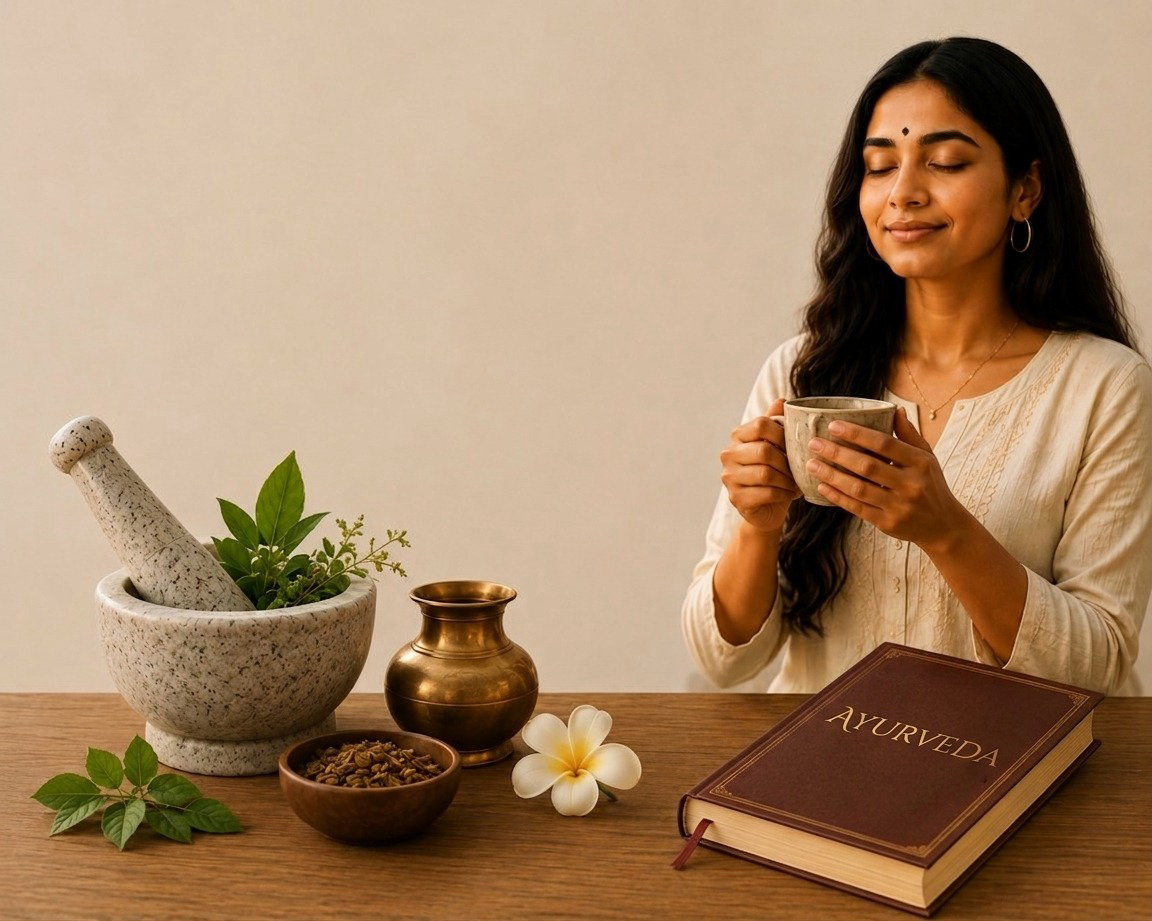
The Micro-Certificate in Ayurveda for Self-Healing (CPAS) introduces the timeless principles of Ayurveda and demonstrates how they can be applied to modern life for better health and well-being. Designed for beginners, the program provides a practical foundation in Ayurvedic philosophy, nutrition, lifestyle, preventive healthcare, and self-care practices. Students learn how to understand their unique constitution, improve digestion and vitality, establish healthy daily routines, and make informed lifestyle choices that promote long-term wellness. Combining classical Ayurvedic wisdom with contemporary applications, the program empowers participants to take an active role in their own health while developing a deeper appreciation for holistic living. Upon completion, graduates may continue into advanced self-healing studies or pursue professional education as an Ayurveda Health Counselor at the California College of Ayurveda.
Program Learning Outcomes (PLOs)
By the end of the program, participants will be able to:
- Understand foundational Ayurvedic concepts including Doshas, Agni, Prakruti and Ojas
- Apply Ayurvedic principles to daily lifestyle and wellness practices
- Develop personalized diet and nutrition strategies for balance and health
- Integrate preventive health approaches using Ayurveda
- Build a sustainable self-care routine for long-term vitality
Program Overview
How long will this program take?
In order to complete the credit requirements for this micro-certificate program, a student is expected to earn 6 quarter credits hours, of which 4.5 credits are to be taken from the required courses, and 1.5 credits from the electives. A reasonable course load that is suited for working professionals will be 3 credits per quarter. At this rate, the Micro-certificate can be completed in 2 Quarters i.e., 6 months. Of course, Students may choose to go even slower through the curriculum, and register only for one course per quarter. For these students the Certificate will take 4 Quarters i.e., 1 year.
Who is this Program for?
The Micro-Certificate in Ayurveda for Self-Healing is designed for anyone interested in applying the timeless principles of Ayurveda to support personal health and well-being. It is ideal for beginners exploring Ayurveda for the first time, individuals seeking natural and holistic approaches to wellness, yoga teachers and wellness professionals looking to deepen their understanding of integrative health, healthcare practitioners interested in complementary healing systems, caregivers and parents seeking practical tools for family health, and lifelong learners committed to preventive healthcare, balanced living, and self-care.
Prerequisites for the Program:
There are no prerequisites for admission to this program. Designed for beginners, it welcomes learners from all educational, professional, and cultural backgrounds who are interested in exploring the principles of Ayurveda for personal well-being, preventive healthcare, and holistic living.
Structure of the Program
The Micro-Certificate in Ayurveda for Self-Healing (CPAS) at the Hindu University of America (HUA) is a thoughtfully designed program that brings the timeless wisdom of Ayurveda into practical, everyday life. This 4-course program provides a strong foundation in Ayurvedic principles, lifestyle practices, and nutrition, empowering individuals to take charge of their health naturally.
Courses in the Program
Elective Distributions: (The remaining 6 credits can be taken from this distribution)
Hindu Studies Foundations
- HSF1005 Lessons from Valmiki Ramayana
- HSF1006 Lessons from Valmiki Ramayana for Teens and Parents
- HSF1007 Discover the contemporary relevance of Hindu Dharma
- HSF1010 Growing Up with the Gita
- HSF1301 Deha – The Principles of Sound Body in Bhagavad Gita
- HSF1302 Gnana – The Principles of Sound Mind in Bhagavad Gita
- HSF1303 Yoga – The Principles of Pure Soul in Bhagavad Gita
- HSF1304 Bodhak – The Gita Vidya Teacher Training
- HSF1403 Experiencing Shiva
- HSF1404 Experiencing Vishnu
- HSF1405 Experiencing Devi
- HSF1406 Experiencing Ganapathi
- HSF1407 Experiencing Aditya
- HSF2201 Understanding Hinduphobia
- HSF3001 Upanishadic Dialogues – I: The Chandogya Upanishad
- HSF3101 The Renaissance of Sanatana Dharma in the Light of Sri Aurobindo
- HSF3102 The Renaissance of Sanatana Dharma in the Light of Sri Aurobindo – Part 2
- HSF3103 The Renaissance of Sanatana Dharma in the Light of Sri Aurobindo – Part 3
- HSF3104 Sri Aurobindo and Sanatana Dharma
- HSF3301 Ramayana for Excellence in Management and Leadership
- HSF4100 Women in Hinduism
- HSF5011 Discover Dharma – A Study Tour in India
- HSF5012 Western Intellectual History – A Study Tour in Europe
Texts and Traditions
- TAT1101 Life Lessons from the Hindu Puranas
- TAT1201 Sri Ramcharitmanas: Continuity in Change
- TAT1302 Bhaja Govindam – A Topical Approach
- TAT2200 Singing Bhakti Music: From Saints to Synthesizers
- TAT3101 Ragas in Shastriya Sangeet and Modern Music
- TAT3102 The History of Shastriya Sangeet
- TAT3103 Indian And Western Music Traditions – A Comparative Study
- TAT3205 Understanding the Vedas
- TAT4001 Advaita, Vishishtadvaita, Dvaita, – The three flavors of Vedanta Sastra
- TAT4002 The Three Vedantic Perspectives on the Bhagavad Gita
- TAT4003 The Three Vedantic Perspectives on Isha Vasya Upanishad
Yoga Studies
- YOG1000 Holistic Yoga – Philosophy and Practice
- YOG2000 Holistic Yoga – Deepening your practice
- YOG2101 Ahimsa and the Art of Non-Violent Communication
- YOG2201 Chakra Healing
- YOG3002 Teaching Holistic Yoga Retreat
- YOG3003 Internship and Practicum in Teaching Holistic Yoga
- YOG3101 Antaranga Mandapam
- YOG3401 Decolonizing Yoga
- YOG4000 Master Class in Yoga
Ayurveda and Integrative Health
Program Context
This 4-course program provides a strong foundation in Ayurvedic principles, lifestyle practices, and nutrition, empowering individuals to take charge of their health naturally. These courses cover core concepts such as Doshas (bio-energies), Agni (digestion), Dinacharya (daily routines), Ojas (vitality) and Swasthya (preventive health). The students start with three mandatory courses and to complete the program, they may choose a fourth elective course aligned with their interests.
Pathways After Completion
After completing the Micro-Certificate in Ayurveda for Self-Healing (CPAS), students may continue their learning through:
- Advanced Self-healing Micro-Certificate
- Professional Certification to become an Ayurveda Health Counselor at CCA
This creates a clear educational pathway from personal wellness to professional Ayurvedic education.
Elective Distributions: (The remaining 6 credits can be taken from this distribution)
Hindu Studies Foundations
- HSF1005 Lessons from Valmiki Ramayana
- HSF1006 Lessons from Valmiki Ramayana for Teens and Parents
- HSF1007 Discover the contemporary relevance of Hindu Dharma
- HSF1010 Growing Up with the Gita
- HSF1301 Deha – The Principles of Sound Body in Bhagavad Gita
- HSF1302 Gnana – The Principles of Sound Mind in Bhagavad Gita
- HSF1303 Yoga – The Principles of Pure Soul in Bhagavad Gita
- HSF1304 Bodhak – The Gita Vidya Teacher Training
- HSF1403 Experiencing Shiva
- HSF1404 Experiencing Vishnu
- HSF1405 Experiencing Devi
- HSF1406 Experiencing Ganapathi
- HSF1407 Experiencing Aditya
- HSF2201 Understanding Hinduphobia
- HSF3001 Upanishadic Dialogues – I: The Chandogya Upanishad
- HSF3101 The Renaissance of Sanatana Dharma in the Light of Sri Aurobindo
- HSF3102 The Renaissance of Sanatana Dharma in the Light of Sri Aurobindo – Part 2
- HSF3103 The Renaissance of Sanatana Dharma in the Light of Sri Aurobindo – Part 3
- HSF3104 Sri Aurobindo and Sanatana Dharma
- HSF3301 Ramayana for Excellence in Management and Leadership
- HSF4100 Women in Hinduism
- HSF5011 Discover Dharma – A Study Tour in India
- HSF5012 Western Intellectual History – A Study Tour in Europe
Texts and Traditions
- TAT1101 Life Lessons from the Hindu Puranas
- TAT1201 Sri Ramcharitmanas: Continuity in Change
- TAT1302 Bhaja Govindam – A Topical Approach
- TAT2200 Singing Bhakti Music: From Saints to Synthesizers
- TAT3101 Ragas in Shastriya Sangeet and Modern Music
- TAT3102 The History of Shastriya Sangeet
- TAT3103 Indian And Western Music Traditions – A Comparative Study
- TAT3205 Understanding the Vedas
- TAT4001 Advaita, Vishishtadvaita, Dvaita, – The three flavors of Vedanta Sastra
- TAT4002 The Three Vedantic Perspectives on the Bhagavad Gita
- TAT4003 The Three Vedantic Perspectives on Isha Vasya Upanishad
Yoga Studies
- YOG1000 Holistic Yoga – Philosophy and Practice
- YOG2000 Holistic Yoga – Deepening your practice
- YOG2101 Ahimsa and the Art of Non-Violent Communication
- YOG2201 Chakra Healing
- YOG3002 Teaching Holistic Yoga Retreat
- YOG3003 Internship and Practicum in Teaching Holistic Yoga
- YOG3101 Antaranga Mandapam
- YOG3401 Decolonizing Yoga
- YOG4000 Master Class in Yoga
Ayurveda and Integrative Health
X
Micro-Certificate in Ayurveda for Self-Healing
The tuition fee per credit hour for the Certificate Program courses is $200. The total cost of the Certificate program with 6 credit hours is $1,200 plus a one time non-refundable administration fee. However, students have the option of signing up for payment plans that will reduce the cost.
The following payment plans are available:
- Pay in Full: $1,000 one-time payment including $100 admin fee. Saving $300
- 2-Installment Payment Plan: $500 per installment, total of $1,100 including $100 admin fee. Saving $200
- Pay-as-you-go: $300 per Quarter, total of $1300 including $100 admin fee. Full Price.
From: $300.00 every 3 months and a $100.00 sign-up fee
Before you choose a payment plan, and get enrolled in the Micro-Certificate in Ayurveda for Self-Healing, please make sure that you have completed the following steps.
- Applied for the Program.
- Reviewed the enrollment agreement form.
- Determined your payment plan.
After all of the above steps have been completed, please choose a payment plan below and pay your fees.
Select a payment plan below (pricing includes the cost of books):
X
Tuition and Payment
The tuition fee per credit hour for the Certificate Program courses is $200. The total cost of the Certificate program with 6 credit hours is $1,200 plus a one time non-refundable administration fee. However, students have the option of signing up for payment plans that will reduce the cost.
The following payment plans are available:
- Pay in Full: $1,000 one-time payment including $100 admin fee. Saving $300
- 2-Installment Payment Plan: $500 per installment, total of $1,100 including $100 admin fee. Saving $200
- Pay-as-you-go: $300 per Quarter, total of $1300 including $100 admin fee. Full Price.
X
FBL Examples
Example # 1:
Priya (a hypothetical student) is interested in learning more about her family’s ancestral lineage and in enhancing her knowledge and practice of yoga in India. She lives in the United States and is the mother of a young child, so she will not be able to stay at a Yoga Gurukulam for an extended period of time. Priya has located a particular site for her FBL, which meets the criteria. They understand her responsibilities and have told her that a one or two-week stay at the Gurukulam is sufficient; she is able to manage this. She will participate in online courses with the Gurukulam, before and after her stay and is already thinking about how she can make connections with her HUA coursework in Yoga Sutras of Patanjali and other Yoga related courses.
Example # 2:
Kevin (a hypothetical student) is a musician who has been drawn to the spiritual foundations of Bhakti music. He lives in the USA, and is part of a Performing Arts Orchestra, who has been dabbling with his own musical creations based on the Vedic teachings. He is able to visit India for an extended period of time, and designs a 3-month immersion experience for his FBL with a Partner institution in India, which specializes in Classical Indian Music. He is also simultaneously learning Sanskrit through HUA and will be working on developing a deeper appreciation of the lyrics and their meanings from within a Hindu spiritual context. He will be making connections between his HUA coursework on Sanskrit as well as in Hindu Philosophy with the compositions of the Bhakti saints of various genres through his FBL.
Example #3:
Darshana (a hypothetical student) is interested in understanding the Ashram experience more fully. She is able to spend a substantial amount of time at an Ashram in the United States. She combines that experience with a quick 3-week Ashram tour of India to Rishikesh, Coimbatore and Belur, where she is able to develop an immersive understanding of the Ashram experience across multiple Hindu traditions. Her FBL is managed through the relationship with the Ashram in the USA and is able to also incorporate the 3-week travel to India to visit and experience several Ashrams. Through these varied Ashram experiences, she is able to incorporate new practices in her own life, after experimenting briefly with multiple practices being offered at these various sites.